Physical Address
304 North Cardinal St.
Dorchester Center, MA 02124
Physical Address
304 North Cardinal St.
Dorchester Center, MA 02124

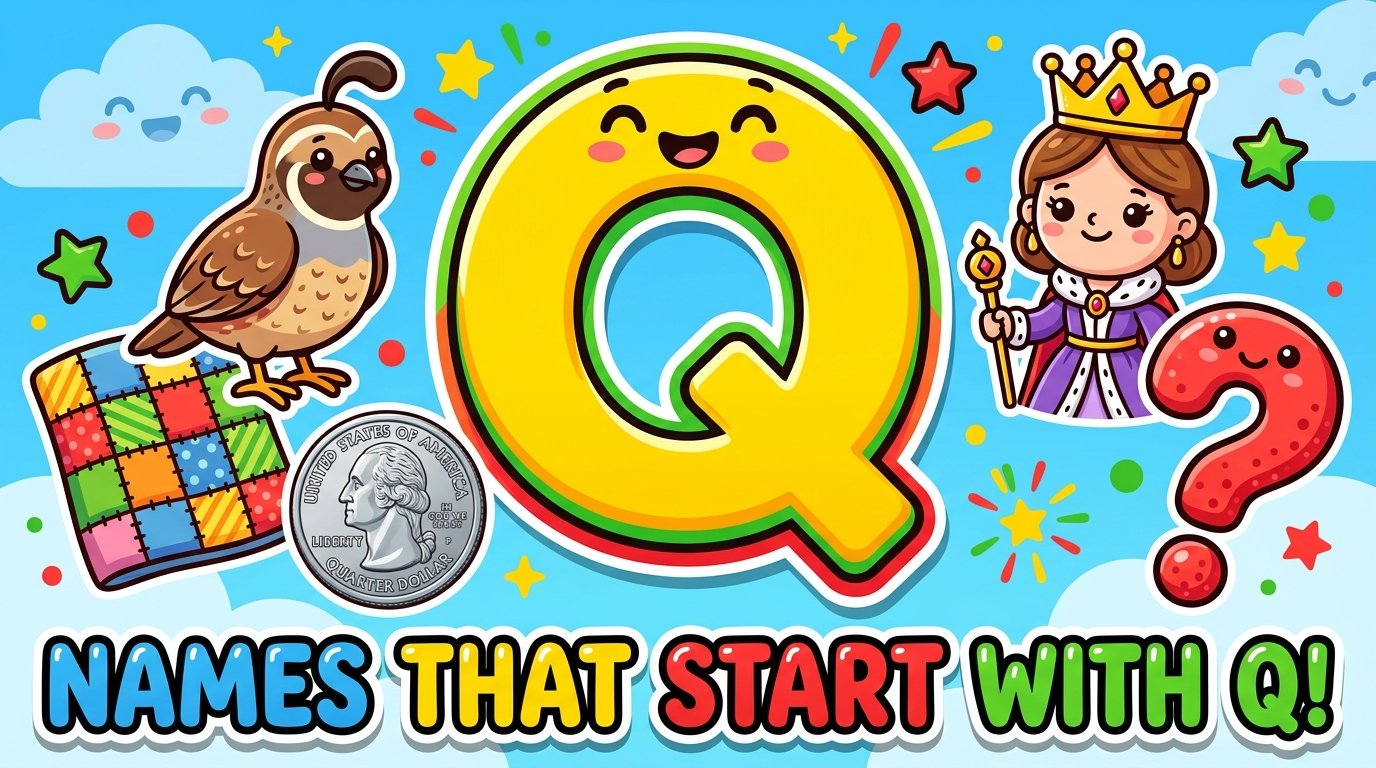
Q is a tricky letter. Not many words start with it, right? That’s exactly why people search for words that start with Q so often. It feels like a puzzle every time.
Maybe you’re stuck on a crossword. Maybe you’re helping a kid with homework. Or maybe you just typed “words taht start with q” into Google without even noticing the typo. Either way, you’ve landed in the right spot.
This list covers all kinds of Q words. You’ll find short, simple picks and longer, fancier ones too. We’ll look at words beginning with Q, common words starting with Q, and even a few surprising letters that start with Q combos. By the end, you’ll never blank on a Q word again. Let’s dive in.
Boy names in this list lean into strength, nature, and quiet resolve — themes that show up again and again in traditional Japanese naming. Each one pairs a Q-based reading with kanji that actually means something.
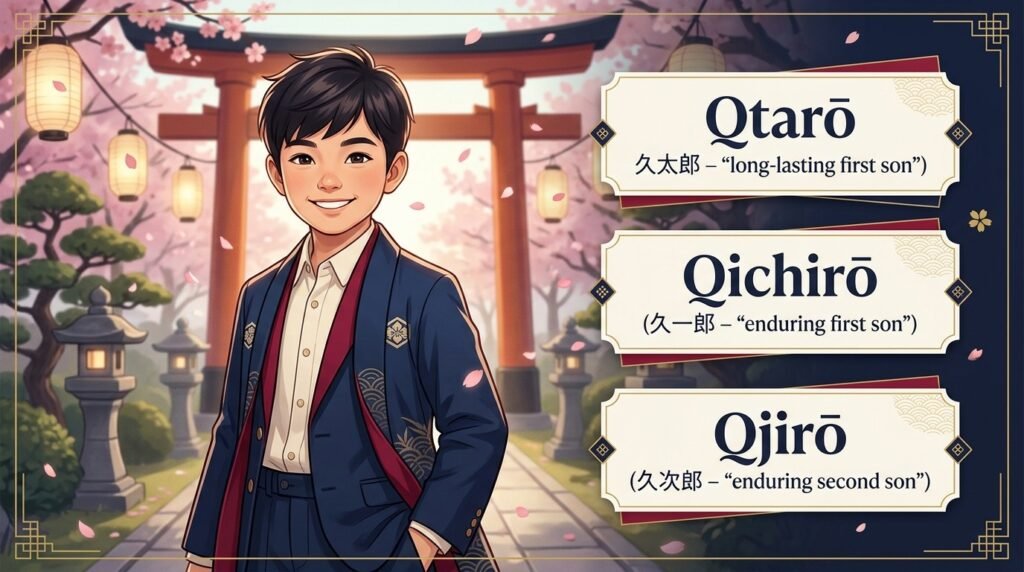
These aren’t names you’ll find on a Japanese birth registry. However, they follow the same rhythm and kanji logic real names use, so they read as believable rather than random.
Girl names here draw from softer imagery — blossoms, moonlight, gentle sounds. That’s a pretty common pattern in Japanese naming, and it’s one worth keeping if you want your invented names to feel grounded.
For example, a character named Qomi in a slice-of-life story would feel right at home next to names like Emi or Yumi. That’s the goal — plausibility, not just novelty.
First names, as opposed to gendered picks, work well when you want something more flexible. This section leans toward names that could suit a range of characters — protagonists, side characters, or even background figures who need a name that just sounds right.
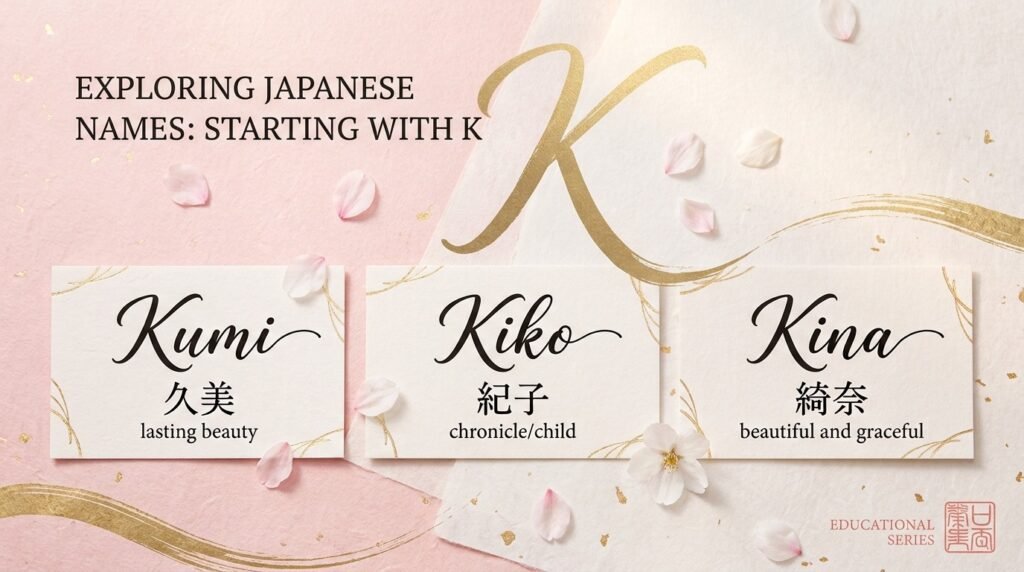
Surnames follow different rules than first names in Japan — they usually reference geography, nature, or old family occupations. A river, a mountain, a rice field. Keeping that pattern makes invented Q-surnames feel far more convincing.
If you’re naming a whole family for a story, pair a surname like Qorikawa with a first name like Qito. The combination sounds cohesive rather than thrown together.
This is where things get a little more experimental. Rare kanji combinations, unusual imagery, names you genuinely won’t stumble across anywhere else — this section is built for people who want something that stands out.
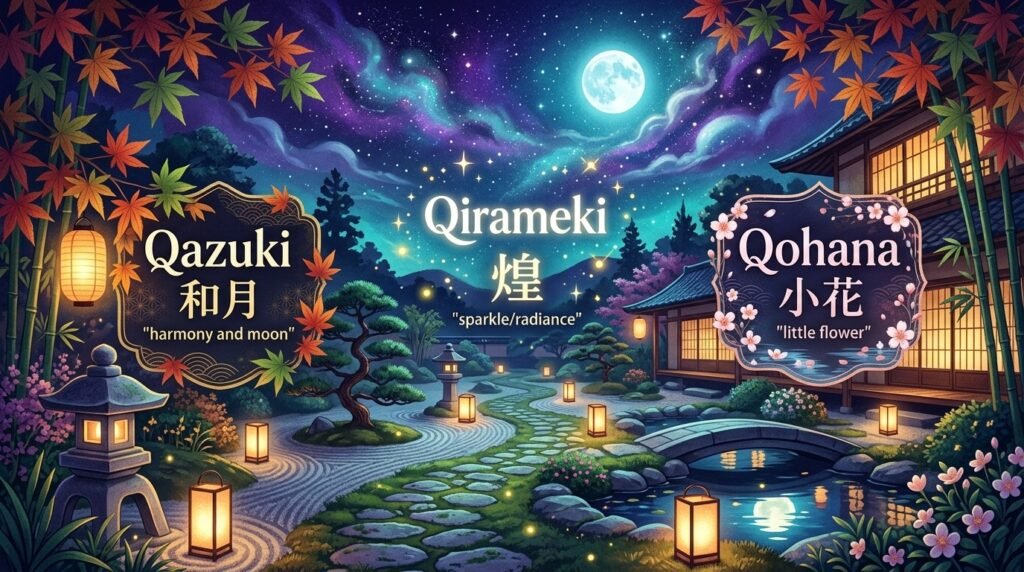
Cute names usually rely on soft consonants, small imagery, and diminutive suffixes like -ko or -mi. If you’re naming a young character or a pet in a story, this section fits the bill.
Not every name needs a gender attached. Unisex options work great for characters whose identity is left open or for parents who simply want flexibility.
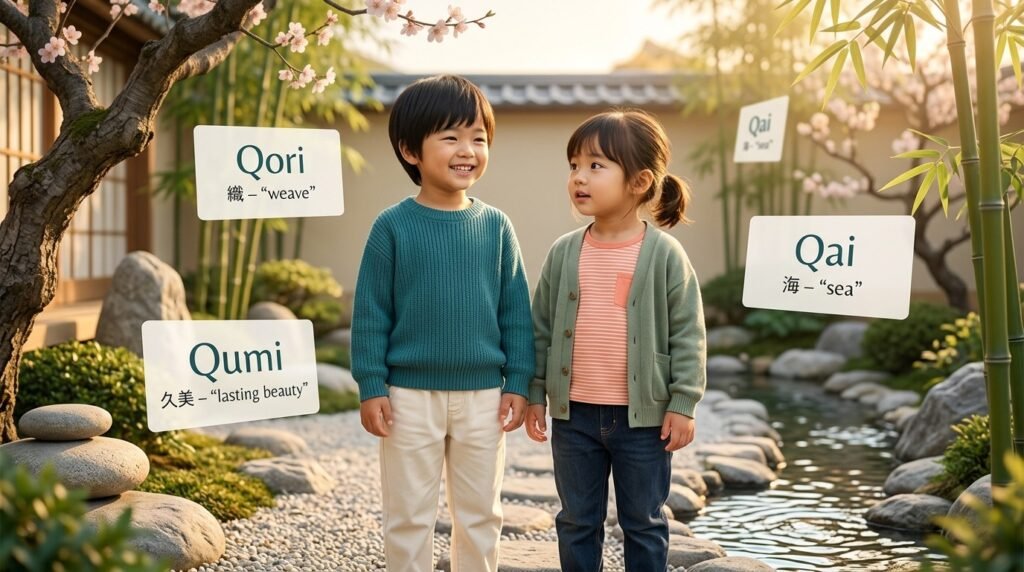
Modern Japanese naming trends have shifted toward shorter names, softer sounds, and readings that feel light on the tongue. These Q-names take cues from that shift, even though the letter itself stays fictional.
Parents naming characters for a modern setting — think a contemporary drama rather than a period piece — will probably gravitate toward this shorter, cleaner style.
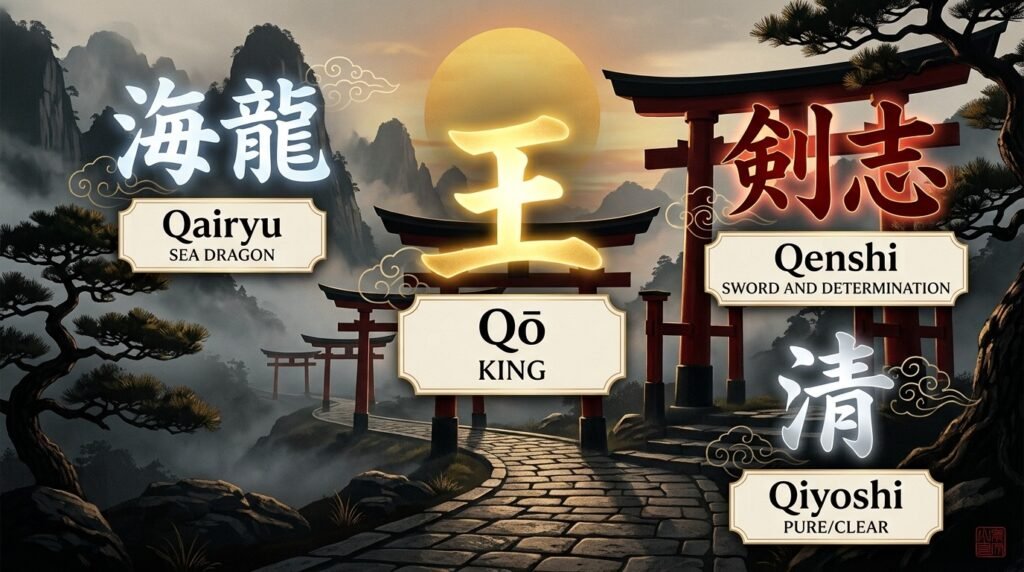
Some names aren’t about sound at all. They’re chosen for what the kanji represents — strength, victory, resilience. This section pulls together Q-names with genuinely weighty meanings behind them.
Picking any invented name comes down to three things: sound, meaning, and how it holds up in context. First, say the name out loud a few times. Does it flow naturally with your surname or your story’s setting? Second, check the meaning behind the kanji — you don’t want to accidentally land on something unintentionally awkward. Finally, think about where the name will live. A name for an anime character can afford to be dramatic; a name for a real child probably shouldn’t be.
A few quick tips:
No, Japanese doesn’t use Q in its native phonetics. These names are creative adaptations built with real kanji and natural-sounding syllables for storytelling or personal use.
The kanji and meanings are authentic, but the Q sound itself is invented. Think of them as culturally respectful, not traditionally documented names.
Absolutely. These names work great for original characters, fantasy worldbuilding, or any Japanese-inspired story that needs a name with real linguistic weight behind it.
Both. This guide separates boy, girl, and unisex names clearly, so you can pick whatever fits your character or your intent.
Technically yes, though real Japanese families won’t use Q as a starting letter. They’re best suited for fiction, branding, or creative naming projects.
The “Ku” or “Kyu” sound is the nearest match. Words like kyuu (nine) or kyuukei (rest) hint at how Q might sound if adapted.
Treat the Q like a hard “K” sound. For example, Qito is pronounced “kee-toh,” keeping the rhythm close to natural Japanese phonetics.
Q might be a rare letter, but it’s not a boring one. As you’ve seen, words that start with Q cover everything from simple, everyday terms to quirky, less common finds. Whether you needed them for a crossword, a spelling list, or just plain curiosity, this list has you covered.
Next time you search “words taht start with q,” you won’t come up empty. You’ve got a solid mix of q words now, from short and simple to longer and more unusual. That’s a handy thing to have in your back pocket.
Letters that start with Q don’t come around often in English. So when they do, they’re worth remembering. Keep this list of words starting with Q close by. Whether you need words beginning with Q for a game or just for fun, you’re all set.