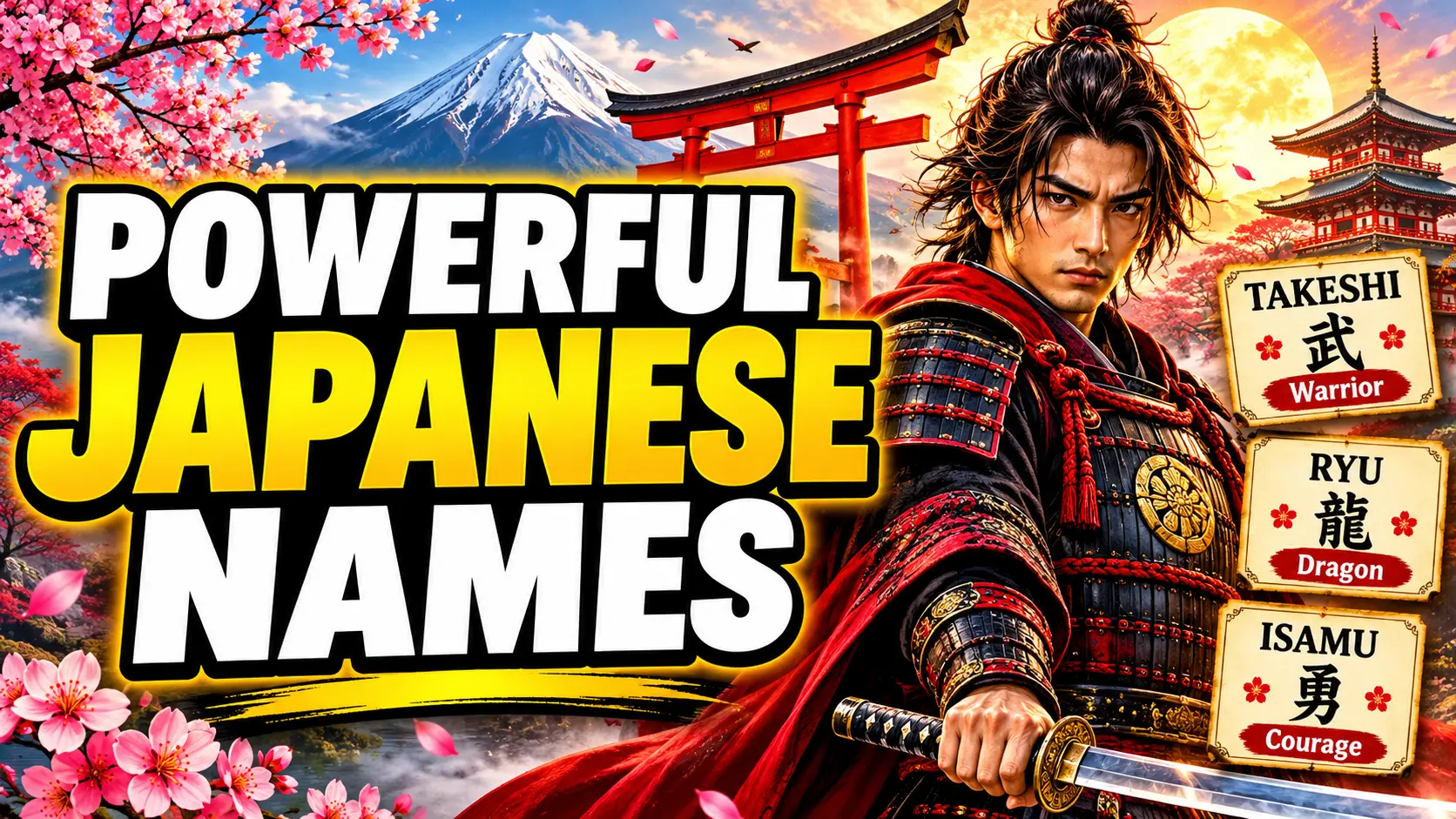
Powerful Japanese names carry real weight. They sound bold, sharp, and full of meaning. If you want a strong identity, powerful Japanese names give you plenty of choices. Gamers love them too. Many players hunt for a Japanese IGN for ML because it makes their hero stand out. A great Japanese name for ML can scare rivals before the match even starts.
You don’t need to be a language expert. Just pick a name with a clear meaning. Maybe you like fire, thunder, or a brave warrior. Each choice tells a story. A Japanese IGN should feel good to say and easy to remember. That’s why powerful Japanese names work so well. They fit any hero. This guide will help you quickly find powerful Japanese names that match your style.
What Makes Powerful Japanese Names Stand Out?
Powerful Japanese names stand out because every sound and character carries meaning. Many blend strength, nature, and honor into a single word. The names below show how kanji, history, and sound combine to create bold, memorable identities that feel timeless.
Takeshi
Meaning: Warrior; a person of fierce martial strength
Pronunciation: tah-KEH-shee
Script: 武
Tsuyoshi
Meaning: Strong, sturdy, and unyielding
Pronunciation: tsoo-YOH-shee
Script: 剛
Isamu
Meaning: Courage and bravery
Pronunciation: ee-SAH-moo
Script: 勇
Masaru
Meaning: Victory; one who wins
Pronunciation: mah-SAH-roo
Script: 勝
Go
Meaning: Mighty, powerful, and heroic
Pronunciation: goh
Script: 豪
Tetsu
Meaning: Iron; unbreakable resolve
Pronunciation: TEH-tsoo
Script: 鉄
Jin
Meaning: Benevolence; compassionate strength
Pronunciation: jeen
Script: 仁
Makoto
Meaning: Sincerity and truth
Pronunciation: mah-KOH-toh
Script: 誠
Hideaki
Meaning: Outstanding and bright
Pronunciation: hee-deh-AH-kee
Script: 秀明
Yuki
Meaning: Courage and spirit
Pronunciation: YOO-kee
Script: 勇気
Daiki
Meaning: Great radiance
Pronunciation: DYE-kee
Script: 大輝
Akira
Meaning: Bright and clear
Pronunciation: ah-KEE-rah
Script: 明
Tamotsu
Meaning: To protect and preserve
Pronunciation: tah-MOH-tsoo
Script: 保
Mamoru
Meaning: To guard; a protector
Pronunciation: mah-MOH-roo
Script: 守
Susumu
Meaning: To advance and make progress
Pronunciation: soo-SOO-moo
Script: 進
Hiroto
Meaning: Soaring high and wide
Pronunciation: hee-ROH-toh
Script: 大翔
Noboru
Meaning: To rise and ascend
Pronunciation: noh-BOH-roo
Script: 昇
Satoshi
Meaning: Intelligent and quick-witted
Pronunciation: sah-TOH-shee
Script: 聡
Tadashi
Meaning: Correct and righteous
Pronunciation: tah-DAH-shee
Script: 正
Osamu
Meaning: Discipline and self-mastery
Pronunciation: oh-SAH-moo
Script: 修
Nobuo
Meaning: Faithful man
Pronunciation: noh-BOO-oh
Script: 信夫
Shin
Meaning: Truth; true
Pronunciation: sheen
Script: 真
Hajime
Meaning: Beginning; one who leads the start
Pronunciation: hah-JEE-meh
Script: 始
Takumi
Meaning: Master craftsman
Pronunciation: tah-KOO-mee
Script: 匠
Ren
Meaning: Refined and tempered, like forged steel
Pronunciation: ren
Script: 錬
Koki
Meaning: Shining glory
Pronunciation: KOH-kee
Script: 光輝
Takeru
Meaning: Fierce and ferocious
Pronunciation: tah-KEH-roo
Script: 猛
Yoshiaki
Meaning: Righteous and bright
Pronunciation: yoh-shee-AH-kee
Script: 義明
Masato
Meaning: Righteous person
Pronunciation: mah-SAH-toh
Script: 正人
Yudai
Meaning: Grand and heroic
Pronunciation: YOO-dye
Script: 雄大
Powerful Japanese Names for Boys With Strong Meanings
Strong boy names have a long tradition in Japan. Many come from warriors, mountains, and virtues like courage and loyalty. These powerful Japanese names for boys give you bold meanings, easy pronunciations, and kanji that fit each name perfectly.
Hayato
Meaning: Falcon person; swift and sharp
Pronunciation: hah-YAH-toh
Script: 隼人
Daisuke
Meaning: Great helper
Pronunciation: dye-SKEH
Script: 大輔
Kenta
Meaning: Healthy, robust, and great
Pronunciation: KEN-tah
Script: 健太
Ryota
Meaning: Clear-minded and great
Pronunciation: RYOH-tah
Script: 亮太
Shota
Meaning: Soaring and great
Pronunciation: SHOH-tah
Script: 翔太
Yuto
Meaning: Brave person
Pronunciation: YOO-toh
Script: 勇人
Gotaro
Meaning: Mighty eldest son
Pronunciation: goh-TAH-roh
Script: 豪太郎
Tatsuya
Meaning: To achieve and reach a goal
Pronunciation: tah-TSOO-yah
Script: 達也
Yusuke
Meaning: Heroic helper
Pronunciation: yoo-SKEH
Script: 雄介
Hideo
Meaning: Hero
Pronunciation: hee-DEH-oh
Script: 英雄
Kenzo
Meaning: Strong third son
Pronunciation: ken-ZOH
Script: 健三
Toru
Meaning: Penetrating and thorough
Pronunciation: TOH-roo
Script: 徹
Isao
Meaning: Merit, honor, and great achievement
Pronunciation: ee-SAH-oh
Script: 勲
Katsuya
Meaning: Victory
Pronunciation: kah-TSOO-yah
Script: 勝也
Masayoshi
Meaning: Justice
Pronunciation: mah-sah-YOH-shee
Script: 正義
Yoshio
Meaning: Righteous hero
Pronunciation: yoh-SHEE-oh
Script: 義雄
Genki
Meaning: Spirited and full of energy
Pronunciation: GEN-kee
Script: 元気
Hidetaka
Meaning: Excellent and lofty
Pronunciation: hee-deh-TAH-kah
Script: 秀高
Daigo
Meaning: Great enlightenment
Pronunciation: DYE-goh
Script: 大悟
Tsukasa
Meaning: To govern; a leader
Pronunciation: tsoo-KAH-sah
Script: 司
Goichi
Meaning: Strong first son
Pronunciation: goh-EE-chee
Script: 剛一
Yushin
Meaning: Brave heart
Pronunciation: yoo-SHEEN
Script: 勇心
Taketo
Meaning: Warrior person
Pronunciation: tah-keh-TOH
Script: 武人
Kazuki
Meaning: One radiance; a single bright light
Pronunciation: kah-ZOO-kee
Script: 一輝
Masaki
Meaning: Righteous tree; upright and steady
Pronunciation: mah-SAH-kee
Script: 正樹
Kenichi
Meaning: Strong first son
Pronunciation: keh-NEE-chee
Script: 健一
Takuma
Meaning: Pioneer of truth
Pronunciation: tah-KOO-mah
Script: 拓真
Tetsuya
Meaning: Wise and clear-thinking
Pronunciation: teh-TSOO-yah
Script: 哲也
Kota
Meaning: Healthy and great
Pronunciation: KOH-tah
Script: 康太
Takashi
Meaning: Noble and prosperous
Pronunciation: tah-KAH-shee
Script: 隆
Powerful Japanese Names for Girls Who Lead With Confidence
Confidence has a sound in Japanese. These powerful Japanese names for girls pair graceful kanji with real backbone. Some honor legendary women warriors, while others borrow strength from flowers, storms, and light. Each one suits a leader.
Tomoe
Meaning: Swirl; linked to the legendary woman warrior Tomoe Gozen
Pronunciation: toh-MOH-eh
Script: 巴
Hikari
Meaning: Light; a guiding radiance
Pronunciation: hee-KAH-ree
Script: 光
Rin
Meaning: Dignified and bold
Pronunciation: reen
Script: 凛
Ayame
Meaning: Iris; a flower tied to samurai spirit
Pronunciation: ah-YAH-meh
Script: 菖蒲
Shizuka
Meaning: Quiet and calm
Pronunciation: shee-ZOO-kah
Script: 静
Chiyo
Meaning: A thousand generations; eternal
Pronunciation: CHEE-yoh
Script: 千代
Nadeshiko
Meaning: Fringed pink flower; graceful yet strong
Pronunciation: nah-deh-SHEE-koh
Script: 撫子
Fubuki
Meaning: Snowstorm
Pronunciation: foo-BOO-kee
Script: 吹雪
Tsubaki
Meaning: Camellia; a hardy flower that blooms in winter
Pronunciation: tsoo-BAH-kee
Script: 椿
Ume
Meaning: Plum blossom; blooms through the cold
Pronunciation: OO-meh
Script: 梅
Aoi
Meaning: Hollyhock; a flower found on noble crests
Pronunciation: ah-OH-ee
Script: 葵
Sakura
Meaning: Cherry blossom
Pronunciation: sah-KOO-rah
Script: 桜
Himari
Meaning: Sunflower; one who faces the sun
Pronunciation: hee-MAH-ree
Script: 陽葵
Nanami
Meaning: Seven seas
Pronunciation: nah-NAH-mee
Script: 七海
Haruka
Meaning: Distant and far-reaching
Pronunciation: hah-ROO-kah
Script: 遥
Akane
Meaning: Deep red, like the madder plant
Pronunciation: ah-KAH-neh
Script: 茜
Kasumi
Meaning: Mist or haze
Pronunciation: kah-SOO-mee
Script: 霞
Yoshiko
Meaning: Righteous child
Pronunciation: yoh-SHEE-koh
Script: 義子
Masako
Meaning: Elegant child
Pronunciation: mah-SAH-koh
Script: 雅子
Michiko
Meaning: Child of the path
Pronunciation: mee-CHEE-koh
Script: 道子
Kokoro
Meaning: Heart and spirit
Pronunciation: koh-KOH-roh
Script: 心
Nozomi
Meaning: Hope and aspiration
Pronunciation: noh-ZOH-mee
Script: 希
Hisui
Meaning: Jade; a gem prized for toughness and beauty
Pronunciation: hee-SOO-ee
Script: 翡翠
Kurenai
Meaning: Crimson; a bold, vivid red
Pronunciation: koo-reh-NAH-ee
Script: 紅
Tsubame
Meaning: Swallow; a swift, fearless flier
Pronunciation: tsoo-BAH-meh
Script: 燕
Hotaru
Meaning: Firefly; a small light in the dark
Pronunciation: hoh-TAH-roo
Script: 蛍
Isuzu
Meaning: Fifty bells; named for the sacred Isuzu River
Pronunciation: ee-SOO-zoo
Script: 五十鈴
Mizuki
Meaning: Auspicious hope
Pronunciation: mee-ZOO-kee
Script: 瑞希
Tamaki
Meaning: Ring; a circle of unity
Pronunciation: tah-MAH-kee
Script: 環
Hana
Meaning: Flower; blooming strength
Pronunciation: HAH-nah
Script: 花
Gender-Neutral Powerful Japanese Names Worth Considering
Some names fit anyone. These gender-neutral powerful Japanese names draw on the sky, the sea, and the seasons. They feel strong without leaning on gender, so you can pick one for a child, a character, or yourself.
Haru
Meaning: Sunlight; spring warmth
Pronunciation: HAH-roo
Script: 陽
Sora
Meaning: Sky
Pronunciation: SOH-rah
Script: 空
Kaoru
Meaning: Fragrant; sweet-scented
Pronunciation: kah-OH-roo
Script: 薫
Hikaru
Meaning: To shine
Pronunciation: hee-KAH-roo
Script: 光
Yuu
Meaning: Superior and gentle
Pronunciation: YOO
Script: 優
Minato
Meaning: Harbor; a safe port
Pronunciation: mee-NAH-toh
Script: 湊
Tsubasa
Meaning: Wings
Pronunciation: tsoo-BAH-sah
Script: 翼
Kaede
Meaning: Maple tree; vivid and resilient
Pronunciation: kah-EH-deh
Script: 楓
Madoka
Meaning: Circle; harmony
Pronunciation: mah-DOH-kah
Script: 円
Ibuki
Meaning: Breath; a spirited wind
Pronunciation: ee-BOO-kee
Script: 息吹
Aki
Meaning: Autumn
Pronunciation: AH-kee
Script: 秋
Chihiro
Meaning: A thousand fathoms; vast depth
Pronunciation: chee-HEE-roh
Script: 千尋
Kanade
Meaning: To play music; harmony
Pronunciation: kah-NAH-deh
Script: 奏
Mio
Meaning: Waterway; a channel through deep water
Pronunciation: MEE-oh
Script: 澪
Riku
Meaning: Land
Pronunciation: REE-koo
Script: 陸
Kai
Meaning: Ocean
Pronunciation: kye
Script: 海
Nagi
Meaning: Calm sea; stillness
Pronunciation: NAH-gee
Script: 凪
Yamato
Meaning: Great harmony; an ancient name for Japan
Pronunciation: yah-MAH-toh
Script: 大和
Sei
Meaning: Star
Pronunciation: say
Script: 星
Taiga
Meaning: Great river
Pronunciation: TYE-gah
Script: 大河
Ritsu
Meaning: Rhythm; law and order
Pronunciation: REET-soo
Script: 律
Rai
Meaning: Thunder
Pronunciation: rye
Script: 雷
Izumi
Meaning: Spring; a fountain of fresh water
Pronunciation: ee-ZOO-mee
Script: 泉
Natsu
Meaning: Summer
Pronunciation: NAHT-soo
Script: 夏
Tomo
Meaning: Wisdom
Pronunciation: TOH-moh
Script: 智
Subaru
Meaning: The Pleiades star cluster
Pronunciation: soo-BAH-roo
Script: 昴
Kou
Meaning: To sail; a voyage
Pronunciation: koh
Script: 航
Hinata
Meaning: Facing the sun; sunny place
Pronunciation: hee-NAH-tah
Script: 陽向
Asahi
Meaning: Morning sun
Pronunciation: ah-SAH-hee
Script: 朝日
Sho
Meaning: To soar
Pronunciation: shoh
Script: 翔
Powerful Japanese Names Inspired by Samurai and Warriors
Samurai names echo centuries of loyalty, discipline, and battlefield courage. Many belong to real generals, swordsmen, and shoguns whose stories still inspire. These powerful Japanese names carry that history and bring honor to anyone who wears them.
Musashi
Meaning: Martial province; the name of the legendary swordsman Miyamoto Musashi
Pronunciation: moo-SAH-shee
Script: 武蔵
Nobunaga
Meaning: Faithful and enduring
Pronunciation: noh-boo-NAH-gah
Script: 信長
Hideyoshi
Meaning: Excellent fortune
Pronunciation: hee-deh-YOH-shee
Script: 秀吉
Ieyasu
Meaning: Peaceful house
Pronunciation: ee-eh-YAH-soo
Script: 家康
Shingen
Meaning: Faith and profound mystery
Pronunciation: sheen-GEN
Script: 信玄
Kenshin
Meaning: Humble faith
Pronunciation: ken-SHEEN
Script: 謙信
Masamune
Meaning: Governing lineage
Pronunciation: mah-sah-MOO-neh
Script: 政宗
Yukimura
Meaning: Fortunate village
Pronunciation: yoo-kee-MOO-rah
Script: 幸村
Kagetora
Meaning: Shadow of the tiger
Pronunciation: kah-geh-TOH-rah
Script: 景虎
Yoshitsune
Meaning: Righteous and constant
Pronunciation: yoh-shee-TSOO-neh
Script: 義経
Benkei
Meaning: Eloquent celebration; the legendary warrior monk
Pronunciation: BEN-kay
Script: 弁慶
Munenori
Meaning: Rule of the lineage
Pronunciation: moo-neh-NOH-ree
Script: 宗矩
Tadakatsu
Meaning: Loyal victory
Pronunciation: tah-dah-KAH-tsoo
Script: 忠勝
Mitsunari
Meaning: Three accomplishments
Pronunciation: meet-soo-NAH-ree
Script: 三成
Kojiro
Meaning: Little second son; a famed swordsman’s name
Pronunciation: koh-JEE-roh
Script: 小次郎
Kiyomasa
Meaning: Pure righteousness
Pronunciation: kee-yoh-MAH-sah
Script: 清正
Hanzo
Meaning: Half storehouse; linked to the famed Hattori Hanzo
Pronunciation: HAHN-zoh
Script: 半蔵
Motonari
Meaning: Origin of achievement
Pronunciation: moh-toh-NAH-ree
Script: 元就
Takamori
Meaning: Noble prosperity
Pronunciation: tah-kah-MOH-ree
Script: 隆盛
Soji
Meaning: Overall governor
Pronunciation: SOH-jee
Script: 総司
Toshizo
Meaning: Years and three
Pronunciation: toh-SHEE-zoh
Script: 歳三
Ryoma
Meaning: Dragon horse
Pronunciation: ryoh-MAH
Script: 龍馬
Kiyomori
Meaning: Pure prosperity
Pronunciation: kee-yoh-MOH-ree
Script: 清盛
Yoritomo
Meaning: Reliable morning
Pronunciation: yoh-ree-TOH-moh
Script: 頼朝
Kanetsugu
Meaning: Doubled continuation
Pronunciation: kah-neh-TSOO-goo
Script: 兼続
Kuranosuke
Meaning: Storehouse assistant; the leader of the forty-seven ronin
Pronunciation: koo-rah-noh-SKEH
Script: 内蔵助
Jubei
Meaning: Ten guards
Pronunciation: joo-BAY
Script: 十兵衛
Sasuke
Meaning: Helper and aide
Pronunciation: sah-SKEH
Script: 佐助
Magoichi
Meaning: Grandson, first
Pronunciation: mah-goh-EE-chee
Script: 孫市
Katsuie
Meaning: Victorious house
Pronunciation: kah-tsoo-EE-eh
Script: 勝家
Nature-Inspired Powerful Japanese Names (Mountains, Storms, and Fire)
Japan’s mountains, storms, and fires inspire some of its boldest names. These nature-inspired powerful Japanese names borrow the force of peaks, thunder, and flame. They sound dramatic and look striking in kanji. They suit fearless people and characters well.
Gaku
Meaning: Mountain peak
Pronunciation: GAH-koo
Script: 岳
Mine
Meaning: Summit or ridge
Pronunciation: MEE-neh
Script: 峰
Takane
Meaning: High peak
Pronunciation: tah-KAH-neh
Script: 高嶺
Iwao
Meaning: Boulder; a towering rock
Pronunciation: ee-WAH-oh
Script: 巌
Daichi
Meaning: Great earth
Pronunciation: DYE-chee
Script: 大地
Hyoga
Meaning: Glacier
Pronunciation: HYOH-gah
Script: 氷河
Arashi
Meaning: Storm
Pronunciation: ah-RAH-shee
Script: 嵐
Raiden
Meaning: Thunder and lightning
Pronunciation: rye-DEN
Script: 雷電
Inazuma
Meaning: Lightning
Pronunciation: ee-nah-ZOO-mah
Script: 稲妻
Tatsumaki
Meaning: Tornado; a twisting dragon
Pronunciation: tah-tsoo-MAH-kee
Script: 竜巻
Kaze
Meaning: Wind
Pronunciation: KAH-zeh
Script: 風
Nowaki
Meaning: Autumn storm wind
Pronunciation: noh-WAH-kee
Script: 野分
Hayate
Meaning: Swift wind; a gale
Pronunciation: hah-YAH-teh
Script: 疾風
Shigure
Meaning: Autumn rain shower
Pronunciation: shee-GOO-reh
Script: 時雨
Nami
Meaning: Wave
Pronunciation: NAH-mee
Script: 波
Shio
Meaning: Tide
Pronunciation: SHEE-oh
Script: 潮
Homura
Meaning: Flame
Pronunciation: hoh-MOO-rah
Script: 焔
Honoo
Meaning: Blaze
Pronunciation: hoh-NOH-oh
Script: 炎
Kagari
Meaning: Bonfire
Pronunciation: kah-GAH-ree
Script: 篝
Hibana
Meaning: Spark
Pronunciation: hee-BAH-nah
Script: 火花
Kaen
Meaning: Raging flame
Pronunciation: kah-EN
Script: 火炎
Akatsuki
Meaning: Dawn; the first light before sunrise
Pronunciation: ah-kah-TSOO-kee
Script: 暁
Rekka
Meaning: Fierce fire
Pronunciation: REK-kah
Script: 烈火
Aso
Meaning: Named for Mount Aso, a famous volcano
Pronunciation: AH-soh
Script: 阿蘇
Kongo
Meaning: Diamond; indestructible
Pronunciation: KOHN-goh
Script: 金剛
Reizan
Meaning: Sacred mountain
Pronunciation: ray-ZAHN
Script: 霊山
Mizore
Meaning: Sleet
Pronunciation: mee-ZOH-reh
Script: 霙
Kiri
Meaning: Mist
Pronunciation: KEE-ree
Script: 霧
Yuudachi
Meaning: Evening squall
Pronunciation: yoo-DAH-chee
Script: 夕立
Kagerou
Meaning: Heat shimmer
Pronunciation: kah-geh-ROH
Script: 陽炎
Powerful Japanese Names From Mythology and Folklore
Gods, dragons, and clever foxes fill Japan’s oldest stories. These powerful Japanese names come straight from that cast. Some belong to deities who shaped the islands. Others mark heroes and spirits who still haunt the countryside. Pick one and you carry a legend with you.
Amaterasu
Meaning: Shining in heaven; the sun goddess
Pronunciation: ah-mah-teh-RAH-soo
Script: 天照
Susanoo
Meaning: Impetuous male; the storm god
Pronunciation: soo-sah-NOH-oh
Script: 須佐之男
Tsukuyomi
Meaning: Moon reader; the moon god
Pronunciation: tsoo-koo-YOH-mee
Script: 月読
Izanagi
Meaning: He who invites; a creator god
Pronunciation: ee-zah-NAH-gee
Script: 伊邪那岐
Izanami
Meaning: She who invites; a creator goddess
Pronunciation: ee-zah-NAH-mee
Script: 伊邪那美
Raijin
Meaning: Thunder god
Pronunciation: RYE-jeen
Script: 雷神
Fujin
Meaning: Wind god
Pronunciation: FOO-jeen
Script: 風神
Inari
Meaning: Rice bearer; the god of rice and foxes
Pronunciation: ee-NAH-ree
Script: 稲荷
Hachiman
Meaning: Eight banners; the god of war
Pronunciation: hah-chee-MAHN
Script: 八幡
Kaguya
Meaning: Shining night; the princess found in a bamboo stalk
Pronunciation: kah-GOO-yah
Script: 輝夜
Momotaro
Meaning: Peach boy; a folk hero who defeats demons
Pronunciation: moh-moh-TAH-roh
Script: 桃太郎
Kintaro
Meaning: Golden boy; a folk hero of enormous strength
Pronunciation: keen-TAH-roh
Script: 金太郎
Orochi
Meaning: Great serpent
Pronunciation: oh-ROH-chee
Script: 大蛇
Ryujin
Meaning: Dragon god; ruler of the sea
Pronunciation: RYOO-jeen
Script: 竜神
Tamamo
Meaning: Jewel seaweed; linked to the legendary nine-tailed fox
Pronunciation: tah-MAH-moh
Script: 玉藻
Tengu
Meaning: Heavenly dog; a mountain spirit
Pronunciation: TEN-goo
Script: 天狗
Yuki
Meaning: Snow; echoes the snow spirit of folklore
Pronunciation: YOO-kee
Script: 雪
Konohana
Meaning: Tree blossom; tied to the blossom goddess of Mount Fuji
Pronunciation: koh-noh-HAH-nah
Script: 木花
Uzume
Meaning: Heavenly dancer; the goddess who coaxed the sun from hiding
Pronunciation: oo-ZOO-meh
Script: 宇受売
Benten
Meaning: Goddess of music and good fortune
Pronunciation: BEN-ten
Script: 弁天
Bishamon
Meaning: Guardian god of warriors
Pronunciation: bee-shah-MOHN
Script: 毘沙門
Daikoku
Meaning: Great black; the god of wealth
Pronunciation: dye-KOH-koo
Script: 大黒
Ebisu
Meaning: God of luck and fishermen
Pronunciation: eh-BEE-soo
Script: 恵比寿
Kagutsuchi
Meaning: Shining spirit of fire
Pronunciation: kah-goo-TSOO-chee
Script: 迦具土
Takemikazuchi
Meaning: Brave thunder; a god of swords and strength
Pronunciation: tah-keh-mee-kah-ZOO-chee
Script: 建御雷
Okuninushi
Meaning: Master of the great land
Pronunciation: oh-koo-nee-NOO-shee
Script: 大国主
Sarutahiko
Meaning: Monkey-field prince; the god who guides travelers
Pronunciation: sah-roo-tah-HEE-koh
Script: 猿田彦
Tsukumo
Meaning: Ninety-nine; a number tied to aged spirits in folklore
Pronunciation: tsoo-KOO-moh
Script: 九十九
Otohime
Meaning: Younger princess; the lady of the undersea palace
Pronunciation: oh-toh-HEE-meh
Script: 乙姫
Ninigi
Meaning: Abundant rice ears; the grandson of Amaterasu
Pronunciation: nee-NEE-gee
Script: 邇邇芸
Powerful Japanese Names for Anime, Manga, and Fictional Characters
Some of the boldest names in Japan live on screen and in print. These powerful Japanese names belong to heroes, rivals, and dreamers who millions of fans adore. They sound fierce and look sharp in kanji. For example, a gamer tag or a story hero would wear any of them well.
Goku
Meaning: Awakened to emptiness
Pronunciation: GOH-koo
Script: 悟空
Naruto
Meaning: Maelstrom; named for the whirlpools of the Naruto Strait
Pronunciation: nah-ROO-toh
Script: 鳴門
Itachi
Meaning: Weasel
Pronunciation: ee-TAH-chee
Script: 鼬
Kakashi
Meaning: Scarecrow
Pronunciation: kah-KAH-shee
Script: 案山子
Mikasa
Meaning: Three hats; named for a mountain in Nara
Pronunciation: mee-KAH-sah
Script: 三笠
Ichigo
Meaning: One who protects
Pronunciation: ee-CHEE-goh
Script: 一護
Tanjiro
Meaning: Charcoal and order; a gentle but fearless son
Pronunciation: tahn-JEE-roh
Script: 炭治郎
Nezuko
Meaning: Bean child
Pronunciation: neh-ZOO-koh
Script: 禰豆子
Zenitsu
Meaning: Good and swift
Pronunciation: zeh-NEE-tsoo
Script: 善逸
Shinobu
Meaning: Endurance; to bear in silence
Pronunciation: shee-NOH-boo
Script: 忍
Yuji
Meaning: Gentle benevolence
Pronunciation: YOO-jee
Script: 悠仁
Megumi
Meaning: Blessing
Pronunciation: meh-GOO-mee
Script: 恵
Nobara
Meaning: Wild rose
Pronunciation: noh-BAH-rah
Script: 野薔薇
Usagi
Meaning: Rabbit
Pronunciation: oo-SAH-gee
Script: 兎
Haku
Meaning: White; pure and clear
Pronunciation: HAH-koo
Script: 白
Satsuki
Meaning: Fifth month; early summer
Pronunciation: sah-TSOO-kee
Script: 皐月
Akira
Meaning: Bright and clear
Pronunciation: ah-KEE-rah
Script: 明
Tetsuo
Meaning: Iron man
Pronunciation: teh-TSOO-oh
Script: 鉄雄
Shinji
Meaning: True heir
Pronunciation: SHEEN-jee
Script: 真嗣
Asuka
Meaning: Flying bird
Pronunciation: ah-SOO-kah
Script: 飛鳥
Rei
Meaning: Zero; a quiet, blank slate
Pronunciation: ray
Script: 零
Misato
Meaning: Beautiful village
Pronunciation: mee-SAH-toh
Script: 美里
Kazuto
Meaning: Peaceful person
Pronunciation: kah-ZOO-toh
Script: 和人
Asuna
Meaning: Tomorrow’s brightness
Pronunciation: ah-SOO-nah
Script: 明日奈
Shoto
Meaning: Burning frost; fire and ice in one name
Pronunciation: SHOH-toh
Script: 焦凍
Inuyasha
Meaning: Dog demon
Pronunciation: ee-noo-YAH-shah
Script: 犬夜叉
Kagome
Meaning: Basket eye; a lattice pattern
Pronunciation: kah-GOH-meh
Script: 籠目
Yugi
Meaning: Game; play
Pronunciation: YOO-gee
Script: 遊戯
Gintoki
Meaning: Silver time
Pronunciation: geen-TOH-kee
Script: 銀時
Shoyo
Meaning: Soaring sun
Pronunciation: SHOH-yoh
Script: 翔陽
How Kanji Shapes the Meaning of Powerful Japanese Names
Ever wonder why two people named “Ken” can carry totally different meanings? The answer lives in the kanji. Every one of the powerful Japanese names in this guide hides a story inside its characters. The sound tells you how to say the name. The kanji tells you what it truly means.
Here’s the key idea. Japanese has far more sounds than characters can cover without overlap. As a result, one pronunciation can map to dozens of kanji. For example, “Ken” can be written 剣 (sword) or 健 (healthy) or 賢 (wise). Same sound. Three very different personalities. That’s why parents in Japan often spend weeks choosing the right character before they settle on a name.
Kanji also carry more than one reading. The on’yomi reading comes from Chinese pronunciation. The kun’yomi reading is the native Japanese one. A single character like 光 can be read as Hikari, Hikaru, Mitsu, or Kou depending on the name. Think of kanji as a Swiss Army knife. One tool, many uses.
Practical Tips for Reading Kanji in Strong Japanese Names
Look at each character separately. Compound names such as 雄大 (Yuudai) blend two ideas. 雄 means male or heroic. 大 means great. Together they suggest a grand, heroic spirit.
Spot the radicals. Water-related kanji often carry the three-dot water radical (氵). Fire-related kanji often carry the four-dot fire radical (灬). Radicals give you a quick hint about a character’s theme.
Compare old and new forms. The dragon appears as 龍 (the traditional, more elaborate form) and 竜 (a simpler variant). Both read “Ryu.” The traditional form looks bolder on a signature or a logo.
Check the approved list. Japan’s Ministry of Justice allows nearly 3,000 characters in given names. If you plan to register a name in Japan, verify your kanji first.
Use a trusted dictionary. Sites like Jisho let you search any character and see its readings and meanings in seconds.
Mind the stroke count. Some families follow seimei handan, a traditional system that counts strokes to judge a name’s fortune. It’s optional. However, it’s a fun layer of meaning for anyone who loves Japanese culture.
Here’s a quick comparison to show how a single sound shifts with its kanji:
Reading
Kanji
Meaning
Feel
Ken
剣
Sword
Sharp and fearless
Ken
健
Healthy
Sturdy and vital
Ken
賢
Wise
Calm and clever
Ryu
龍
Dragon
Majestic and fierce
Ryu
隆
Prosperous
Noble and rising
One more point worth remembering. Many strong Japanese names borrow from the seven virtues of bushido: righteousness, courage, benevolence, respect, honesty, honor, and loyalty. You’ll spot several of them below. These powerful Japanese names pack real meaning into a single stroke of the brush.
Tsuyoshi
Meaning: Strong; the kanji for pure strength
Pronunciation: tsoo-YOH-shee
Script: 強
Takeshi
Meaning: Warrior; martial spirit
Pronunciation: tah-KEH-shee
Script: 武
Isamu
Meaning: Courage
Pronunciation: ee-SAH-moo
Script: 勇
Masaru
Meaning: Victory; to excel
Pronunciation: mah-SAH-roo
Script: 勝
Tetsu
Meaning: Iron
Pronunciation: TEH-tsoo
Script: 鉄
Go
Meaning: Strong and firm
Pronunciation: goh
Script: 剛
Ryu
Meaning: Dragon
Pronunciation: ryoo
Script: 龍
Tora
Meaning: Tiger
Pronunciation: TOH-rah
Script: 虎
Taka
Meaning: Hawk
Pronunciation: TAH-kah
Script: 鷹
Ookami
Meaning: Wolf
Pronunciation: oh-OH-kah-mee
Script: 狼
Kiba
Meaning: Fang
Pronunciation: KEE-bah
Script: 牙
Ken
Meaning: Sword
Pronunciation: ken
Script: 剣
Yuudai
Meaning: Heroic and great
Pronunciation: yoo-DYE
Script: 雄大
Gouki
Meaning: Strong and resolute
Pronunciation: goh-KEE
Script: 剛毅
Shishi
Meaning: Lion; the guardian lion of shrines
Pronunciation: shee-SHEE
Script: 獅子
Ryuga
Meaning: Dragon fang
Pronunciation: RYOO-gah
Script: 龍牙
Raiga
Meaning: Thunder fang
Pronunciation: RYE-gah
Script: 雷牙
Eiyu
Meaning: Hero
Pronunciation: ay-YOO
Script: 英雄
Mamoru
Meaning: To protect
Pronunciation: mah-MOH-roo
Script: 守
Makoto
Meaning: Sincerity; a bushido virtue
Pronunciation: mah-KOH-toh
Script: 誠
Jin
Meaning: Benevolence; a bushido virtue
Pronunciation: jeen
Script: 仁
Tadashi
Meaning: Loyalty; a bushido virtue
Pronunciation: tah-DAH-shee
Script: 忠
Yoshi
Meaning: Righteousness; a bushido virtue
Pronunciation: YOH-shee
Script: 義
Hayato
Meaning: Falcon person
Pronunciation: hah-YAH-toh
Script: 隼人
Daiki
Meaning: Great tree
Pronunciation: DYE-kee
Script: 大樹
Tatsu
Meaning: Dragon; the fifth sign of the zodiac
Pronunciation: TAH-tsoo
Script: 辰
Kengo
Meaning: Master swordsman
Pronunciation: ken-GOH
Script: 剣豪
Banri
Meaning: Ten thousand leagues; far-reaching
Pronunciation: BAHN-ree
Script: 万里
Yuna
Meaning: Courage and grace
Pronunciation: YOO-nah
Script: 勇奈
Shouko
Meaning: Victorious child
Pronunciation: SHOH-koh
Script: 勝子
How to Choose the Right Powerful Japanese Name for You
A great name should feel like a well-fitted jacket. It shouldn’t pinch or sag. Choosing from hundreds of powerful Japanese names can feel overwhelming at first. However, a few simple steps turn the hunt into something fun. Whether you’re naming a baby or a fictional hero or a brand, the process works the same way.
Start with purpose. Ask yourself who or what the name is for. A newborn needs a name that ages well from the playground to the boardroom. A novel’s samurai needs something dramatic. A gamer tag can be bold and short. Your goal shapes every choice that follows.
Next, say the name out loud. Japanese pronunciation is smooth and rhythmic. Each syllable gets roughly equal weight. If a name trips your tongue, it’ll probably trip everyone else’s too. For example, “Takemikazuchi” is magnificent on paper but long for daily life. “Takeshi” is easy and strong.
Smart Tips for Picking Strong Japanese Names
Match the sound to the feel. Names ending in -ro, -ta, -to, and -ki usually read as masculine. Endings like -ko, -mi, -ka, and -na usually read as feminine. Unisex names such as Haru and Kaoru ignore the rules entirely.
Pair it with the surname. In Japan, the family name comes first. A balanced pair sounds natural. Try saying the full name quickly five times. Smooth flow is a good sign.
Check for accidental meanings. Some sounds double as everyday words. A quick dictionary search helps you dodge awkward surprises.
Respect sacred names. Names of major deities, such as Amaterasu, appear in myth and fiction. They’re rarely given to real people in Japan. For a child, a nature-inspired or virtue-based name is a safer bet.
Consider your audience abroad. If you live outside Japan, think about how teachers, coworkers, and friends will pronounce the name. Short names with simple vowels travel best.
Think long term. A trendy name may feel dated in twenty years. A classic kanji with deep roots never goes out of style.
Choose the kanji yourself. The same sound can carry many meanings. Pick the characters that match the personality you want to reflect.
Here’s a handy checklist to keep nearby:
Question
Why it matters
Does the meaning fit you?
A name should reflect your values
Is it easy to pronounce?
Smooth names get remembered
Does the kanji look good?
Appearance matters in logos and signatures
Does it suit the surname?
Flow makes a name feel natural
Will it age well?
A lasting name grows with you
Finally, trust your gut. Data and dictionaries help. Yet the best powerful Japanese names give you a little shiver when you read them. If a name makes you stand taller or smile wider, you’ve likely found your match.
The 30 names below mix strength with warmth. They suit a range of personalities, from bold leaders to quiet achievers. Browse them with the tips above in mind.
Hiroshi
Meaning: Generous and tolerant
Pronunciation: hee-ROH-shee
Script: 寛
Kenta
Meaning: Healthy and robust
Pronunciation: KEN-tah
Script: 健太
Ryota
Meaning: Clear and sturdy
Pronunciation: RYOH-tah
Script: 亮太
Daisuke
Meaning: Great help; a dependable ally
Pronunciation: dye-SOO-keh
Script: 大輔
Haruto
Meaning: Sunlight and soaring
Pronunciation: hah-ROO-toh
Script: 陽翔
Sota
Meaning: Dashing and bold
Pronunciation: SOH-tah
Script: 颯太
Kaito
Meaning: Ocean and the Big Dipper
Pronunciation: kah-EE-toh
Script: 海斗
Yuto
Meaning: Brave person
Pronunciation: YOO-toh
Script: 勇人
Ren
Meaning: Lotus; purity that rises from mud
Pronunciation: ren
Script: 蓮
Itsuki
Meaning: Tree; steady and rooted
Pronunciation: ee-TSOO-kee
Script: 樹
Shun
Meaning: Swift horse; talent
Pronunciation: shoon
Script: 駿
Naoki
Meaning: Honest tree
Pronunciation: nah-OH-kee
Script: 直樹
Tatsuya
Meaning: To accomplish
Pronunciation: tah-TSOO-yah
Script: 達也
Rina
Meaning: Dignified grace
Pronunciation: REE-nah
Script: 凛奈
Sayuri
Meaning: Small lily
Pronunciation: sah-YOO-ree
Script: 小百合
Miyu
Meaning: Beautiful gentleness
Pronunciation: mee-YOO
Script: 美優
Reina
Meaning: Elegant and refined
Pronunciation: ray-EE-nah
Script: 麗奈
Emi
Meaning: Smile of beauty
Pronunciation: EH-mee
Script: 笑美
Akari
Meaning: Light; a lamp’s glow
Pronunciation: ah-KAH-ree
Script: 灯
Yui
Meaning: Bond; a tie that holds
Pronunciation: YOO-ee
Script: 結衣
Ayaka
Meaning: Colorful flower
Pronunciation: ah-YAH-kah
Script: 彩花
Mayu
Meaning: True reason
Pronunciation: MAH-yoo
Script: 真由
Misaki
Meaning: Beautiful bloom
Pronunciation: mee-SAH-kee
Script: 美咲
Saki
Meaning: To bloom
Pronunciation: SAH-kee
Script: 咲
Fumiko
Meaning: Child of literature
Pronunciation: foo-MEE-koh
Script: 文子
Haruna
Meaning: Spring greens; fresh growth
Pronunciation: hah-ROO-nah
Script: 春菜
Akito
Meaning: Bright person
Pronunciation: ah-KEE-toh
Script: 明人
Ryo
Meaning: Cool and refreshing
Pronunciation: ryoh
Script: 涼
Jun
Meaning: Pure
Pronunciation: joon
Script: 純
Shin
Meaning: Truth
Pronunciation: sheen
Script: 真
Frequently Asked Questions
What makes a Japanese name sound strong?
Powerful Japanese names often use kanji for courage, strength, or nature. Bold meanings and crisp sounds give them a confident feel.
Can girls use strong Japanese names too?
Yes. Many powerful Japanese names suit girls well. Rin, Tomoe, and Ayame all carry real strength and quiet grace.
Which names come from samurai history?
Several powerful Japanese names honor famous warriors. Musashi, Nobunaga, and Kenshin are great examples. They still inspire people today.
Are there options that work for any gender?
Absolutely. Powerful Japanese names like Haru, Sora, and Kai fit anyone. They feel bold without leaning on gender.
How do I pick the right kanji for a name?
Check each character’s meaning and reading first. Powerful Japanese names shift a lot with different kanji. A trusted dictionary helps you choose well.
Can I use these names for a fictional character?
Of course. Writers love powerful Japanese names for heroes and rivals. Pick one with a bold meaning that matches your story.
Do I need to be Japanese to use one?
No. Anyone can enjoy powerful Japanese names. Just learn the correct pronunciation and meaning to show respect for the culture.
Conclusion
Powerful Japanese names carry strength, history, and beauty. Each one tells a story through its kanji. You can pick a name from myths, samurai tales, or nature. You can also choose one that fits your own spirit. The best powerful Japanese names feel right when you say them out loud.
Gamers love these names too. A strong Japanese IGN for ML can make your hero stand out. Try Ryuga or Raiga for a fierce look. Need a Japanese name for ML that sounds cool? Pick one with a bold meaning. A short Japanese IGN is also easy to remember. Your name sets the tone for every battle. Now you have plenty of powerful Japanese names to explore. Choose your favorite and wear it with pride. Have fun and play bold.