Physical Address
304 North Cardinal St.
Dorchester Center, MA 02124
Physical Address
304 North Cardinal St.
Dorchester Center, MA 02124

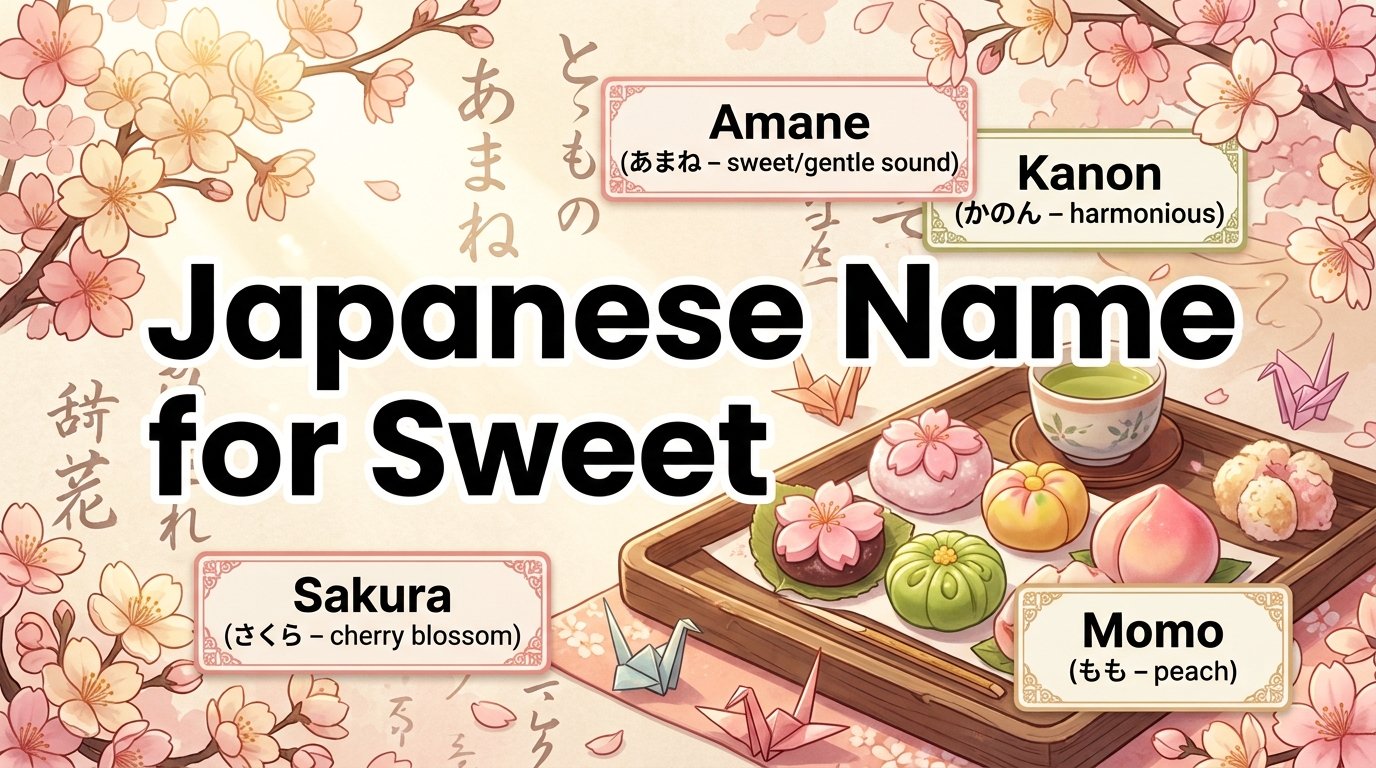
Finding the right japanese name for sweet can be surprisingly fun. Maybe you want a name that feels gentle, cheerful, and warm. Or perhaps you’re searching for a name that carries a beautiful meaning. Either way, Japanese names can offer plenty of lovely options.
In this guide, you’ll discover japanese names that mean sweet and explore different ideas behind them. We’ll look at japanese names meaning sweet, along with names connected to kindness, beauty, warmth, and gentle character. You’ll also find options for different styles and personalities.
If you’re especially interested in japanese girl names, there’s plenty to explore here. From japanese names for girls to charming japanese female names and meaningful japanese girls names, you’ll find choices worth considering. Let’s explore these names and find one that feels just right for you.
Sweet names for boys don’t have to sound overly cute. They can suggest kindness, peace, wisdom, strength, trust, or a gentle personality. The source list includes names that connect sweetness with everything from spring and snow to harmony and compassion.
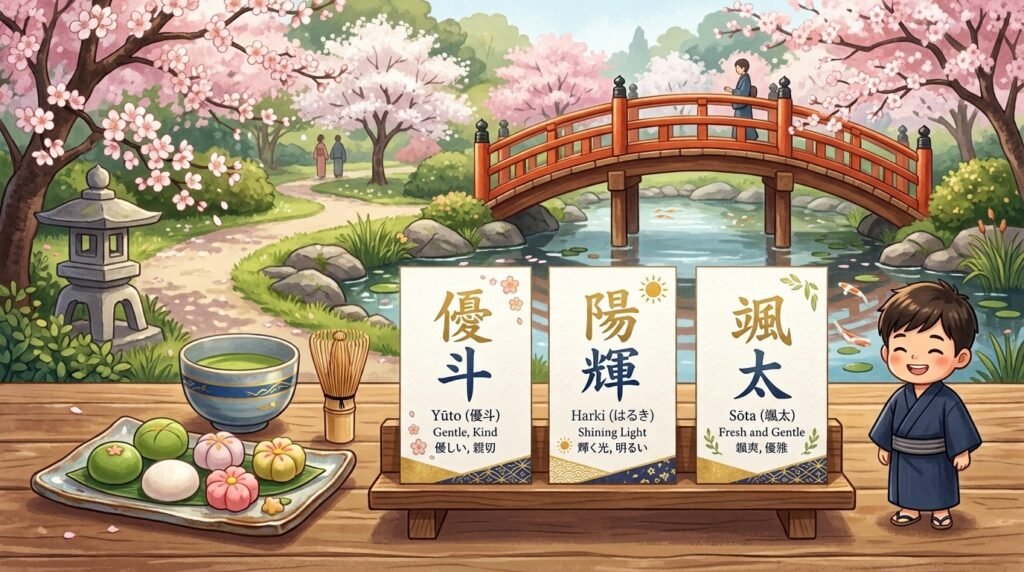
Here are 20 Japanese name for sweet:
1. Amato
• Meaning: sweet person
• Pronunciation: ah-mah-toh
• Kanji: 甘人
2. Kanmiro
• Meaning: sweethearted
• Pronunciation: kahn-mee-roh
• Kanji: 甘心郎
3. Kanko
• Meaning: sweet kindness
• Pronunciation: kahn-koh
• Kanji: 甘好
4. Mitsuo
• Meaning: sweet light
• Pronunciation: mee-tsoo-oh
• Kanji: 甘夫
5. Koami
• Meaning: little sweetness
• Pronunciation: koh-ah-mee
• Kanji: 小甘
6. Kantaro
• Meaning: sweet boy
• Pronunciation: kahn-tah-roh
• Kanji: 甘太郎
7. Mikanji
• Meaning: sweet fruit spirit
• Pronunciation: mee-kahn-jee
• Kanji: 蜜甘次
8. Mitsukazu
• Meaning: sweet harmony
• Pronunciation: mee-tsoo-kah-zoo
• Kanji: 甘和
9. Kan’ichi
• Meaning: sweet first son
• Pronunciation: kahn-ee-chee
• Kanji: 甘一
10. Amaki
• Meaning: sweet tree
• Pronunciation: ah-mah-kee
• Kanji: 甘木
11. Mitsunobu
• Meaning: sweet faith
• Pronunciation: mee-tsoo-noh-boo
• Kanji: 甘信
12. Mitsuharu
• Meaning: sweet spring
• Pronunciation: mee-tsoo-hah-roo
• Kanji: 甘春
13. Kanpei
• Meaning: sweet peace
• Pronunciation: kahn-pey
• Kanji: 甘平
14. Amamichi
• Meaning: sweet path
• Pronunciation: ah-mah-mee-chee
• Kanji: 甘道
15. Mitsutoshi
• Meaning: sweet and wise
• Pronunciation: mee-tsoo-toh-shee
• Kanji: 甘俊
16. Amayuki
• Meaning: sweet snow
• Pronunciation: ah-mah-yoo-kee
• Kanji: 甘雪
17. Kankei
• Meaning: sweet blessing
• Pronunciation: kahn-kay
• Kanji: 甘恵
18. Mitsuhiko
• Meaning: sweet boy
• Pronunciation: mee-tsoo-hee-koh
• Kanji: 甘彦
19. Amayori
• Meaning: sweet dependability
• Pronunciation: ah-mah-yoh-ree
• Kanji: 甘頼
20. Kanzen
• Meaning: sweet goodness
• Pronunciation: kahn-zen
• Kanji: 甘善
These examples range from straightforward meanings like “sweet person” to more symbolic ideas such as faith, peace, wisdom, and snow. That gives you room to choose a name based on the personality you want it to suggest.
If you’re searching for japanese girl names, sweetness can take a softer direction. The source connects these names with beauty, harmony, love, flowers, smiles, fragrance, dreams, and gentleness.

Here are 20 Japanese name for sweet with sweet-themed meanings:
1. Amami
• Meaning: sweet beauty
• Pronunciation: ah-mah-mee
• Kanji: 甘美
2. Kanako
• Meaning: sweet child
• Pronunciation: kah-nah-koh
• Kanji: 甘子
3. Mitsuna
• Meaning: sweet harmony
• Pronunciation: mee-tsoo-nah
• Kanji: 甘和
4. Kanaru
• Meaning: sweet melody
• Pronunciation: kah-nah-roo
• Kanji: 甘鳴
5. Amai
• Meaning: sweet love
• Pronunciation: ah-mah-ee
• Kanji: 甘愛
6. Mitsuha
• Meaning: sweet leaf
• Pronunciation: mee-tsoo-hah
• Kanji: 甘葉
7. Kankoha
• Meaning: sweet blossom
• Pronunciation: kahn-koh-hah
• Kanji: 甘花
8. Amasuzu
• Meaning: sweet bell
• Pronunciation: ah-mah-soo-zoo
• Kanji: 甘鈴
9. Kanemi
• Meaning: sweet smile
• Pronunciation: kah-neh-mee
• Kanji: 甘笑
10. Mitsuyu
• Meaning: sweet gentleness
• Pronunciation: mee-tsoo-yoo
• Kanji: 甘優
11. Amako
• Meaning: sweet little one
• Pronunciation: ah-mah-koh
• Kanji: 甘子
12. Mitsuri
• Meaning: sweet jasmine
• Pronunciation: mee-tsoo-ree
• Kanji: 甘百合
13. Kanane
• Meaning: sweet sound
• Pronunciation: kah-nah-neh
• Kanji: 甘音
14. Amayuri
• Meaning: sweet lily
• Pronunciation: ah-mah-yoo-ree
• Kanji: 甘百
15. Mitsuka
• Meaning: sweet fragrance
• Pronunciation: mee-tsoo-kah
• Kanji: 甘香
16. Kanaruha
• Meaning: sweet petals
• Pronunciation: kah-nah-roo-hah
• Kanji: 甘華
17. Amayume
• Meaning: sweet dream
• Pronunciation: ah-mah-yoo-meh
• Kanji: 甘夢
18. Mitsurei
• Meaning: sweet spirit
• Pronunciation: mee-tsoo-ray
• Kanji: 甘玲
19. Kanakoha
• Meaning: sweet blossom child
• Pronunciation: kah-nah-koh-hah
• Kanji: 甘花子
20. Amasae
• Meaning: sweet blessing
• Pronunciation: ah-mah-sah-eh
• Kanji: 甘恵
If you’re choosing among these japanese female names, think about the feeling you want first. Amai feels affectionate, Mitsuka suggests fragrance, while Amayume has a dreamy quality.
Some of the most appealing japanese names meaning sweet don’t focus on sweetness as a flavor. Instead, they connect the idea with beauty, blessings, affection, flowers, clarity, and peaceful imagery.
That can make a name feel more mature and meaningful. For example, a name associated with a sweet dream may feel completely different from one associated with sweet honey.
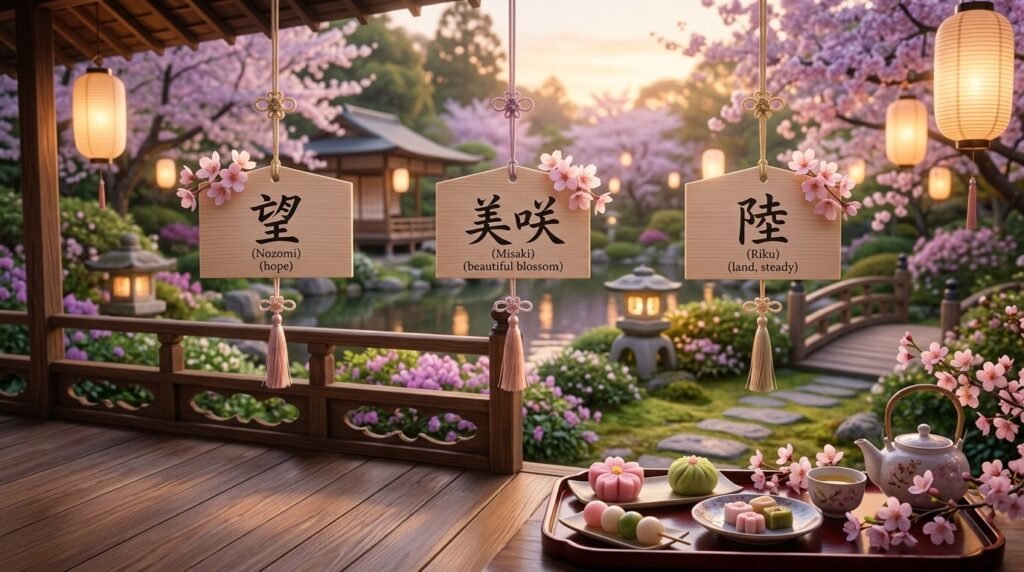
Here are 20 Japanese name for sweet:
1. Amara
• Meaning: sweet goodness
• Pronunciation: ah-mah-rah
• Kanji: 甘良
2. Mitsue
• Meaning: sweet blessing
• Pronunciation: mee-tsoo-eh
• Kanji: 甘恵
3. Kanami
• Meaning: sweet beauty
• Pronunciation: kah-nah-mee
• Kanji: 甘美
4. Amatsuha
• Meaning: sweet leaf night
• Pronunciation: ah-mah-tsoo-hah
• Kanji: 甘葉夜
5. Mitsurae
• Meaning: sweet affection
• Pronunciation: mee-tsoo-rah-eh
• Kanji: 甘礼
6. Kanaya
• Meaning: sweet valley
• Pronunciation: kah-nah-yah
• Kanji: 甘谷
7. Amaneho
• Meaning: sweet sound sail
• Pronunciation: ah-mah-neh-hoh
• Kanji: 甘音帆
8. Mitsuyae
• Meaning: sweet kindness
• Pronunciation: mee-tsoo-yah-eh
• Kanji: 甘優
9. Kanahisa
• Meaning: sweet long life
• Pronunciation: kah-nah-hee-sah
• Kanji: 甘寿
10. Amatoki
• Meaning: sweet time
• Pronunciation: ah-mah-toh-kee
• Kanji: 甘時
11. Mitsureko
• Meaning: sweet child of blessing
• Pronunciation: mee-tsoo-reh-koh
• Kanji: 甘礼子
12. Kanayume
• Meaning: sweet dream
• Pronunciation: kah-nah-yoo-meh
• Kanji: 甘夢
13. Amayoriha
• Meaning: sweet gentle petals
• Pronunciation: ah-mah-yoh-ree-hah
• Kanji: 甘柔華
14. Mitsutsei
• Meaning: sweet clarity
• Pronunciation: mee-tsoo-sey
• Kanji: 甘清
15. Kanaharu
• Meaning: sweet spring
• Pronunciation: kah-nah-hah-roo
• Kanji: 甘春
16. Amayura
• Meaning: sweet village bay
• Pronunciation: ah-mah-yoo-rah
• Kanji: 甘浦
17. Mitsukayo
• Meaning: sweet ocean world
• Pronunciation: mee-tsoo-kah-yoh
• Kanji: 甘海世
18. Kanarisa
• Meaning: sweet blooming village
• Pronunciation: kah-nah-ree-sah
• Kanji: 甘里咲
19. Amae
• Meaning: sweet favor
• Pronunciation: ah-mah-eh
• Kanji: 甘柄
20. Mitsune
• Meaning: sweet sound
• Pronunciation: mee-tsoo-neh
• Kanji: 甘音
The source presents these first-name ideas as ways of expressing sweetness through goodness, affection, kindness, nature, and pleasant imagery.
If you want something unusual, rare names give you plenty of creative possibilities. These names are especially interesting for fictional characters, fantasy settings, pen names, and other creative projects.
The source itself describes its unique combinations as crafted or extremely rare, so they shouldn’t automatically be treated as everyday Japanese baby names.
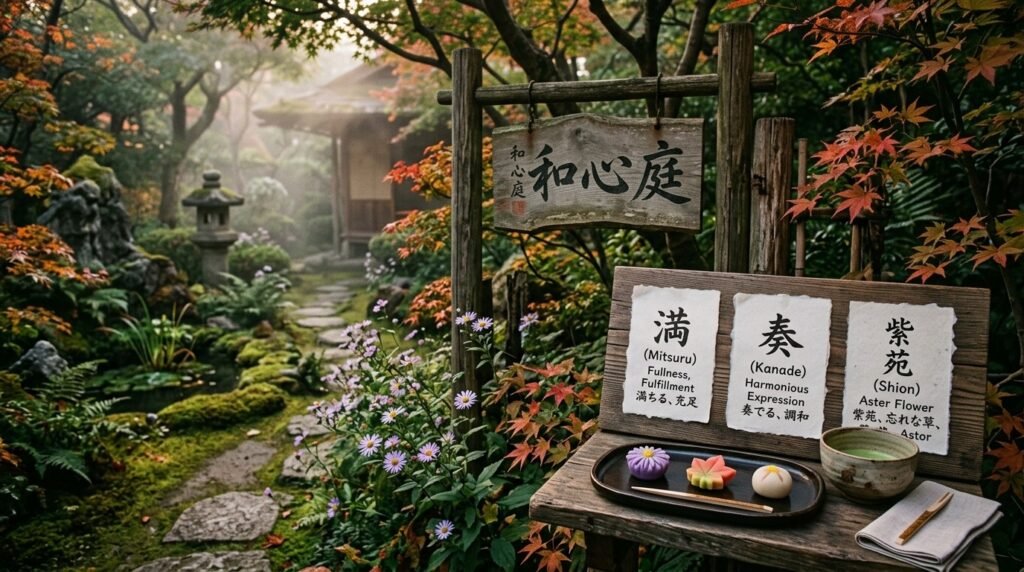
Here are 20 Japanese name for sweet:
1. Amayoriho
• Meaning: sweet dependable sail
• Pronunciation: ah-mah-yoh-ree-hoh
• Kanji: 甘頼帆
2. Mitsuraku
• Meaning: sweet enjoyment
• Pronunciation: mee-tsoo-rah-koo
• Kanji: 甘楽
3. Kanariko
• Meaning: sweet village child
• Pronunciation: kah-nah-ree-koh
• Kanji: 甘里子
4. Amatohane
• Meaning: sweet feather
• Pronunciation: ah-mah-toh-hah-neh
• Kanji: 甘羽
5. Mitsuakiha
• Meaning: sweet autumn leaf
• Pronunciation: mee-tsoo-ah-kee-hah
• Kanji: 甘秋葉
6. Kankisai
• Meaning: sweet hope bloom
• Pronunciation: kahn-kee-sigh
• Kanji: 甘希咲
7. Amayuro
• Meaning: sweet night dew
• Pronunciation: ah-mah-yoo-roh
• Kanji: 甘夜露
8. Mitsutoki
• Meaning: sweet moment
• Pronunciation: mee-tsoo-toh-kee
• Kanji: 甘時
9. Kanahoro
• Meaning: sweet harvest road
• Pronunciation: kah-nah-hoh-roh
• Kanji: 甘穂路
10. Amakinuha
• Meaning: sweet cloth leaf
• Pronunciation: ah-mah-kee-noo-hah
• Kanji: 甘衣葉
11. Mitsuhane
• Meaning: sweet feather
• Pronunciation: mee-tsoo-hah-neh
• Kanji: 甘羽
12. Kanayoro
• Meaning: sweet color
• Pronunciation: kah-nah-yoh-roh
• Kanji: 甘色
13. Amatsuri
• Meaning: sweet festival
• Pronunciation: ah-mah-tsoo-ree
• Kanji: 甘祭
14. Mitsuzen
• Meaning: sweet goodness
• Pronunciation: mee-tsoo-zen
• Kanji: 甘善
15. Kanayukiha
• Meaning: sweet snow leaf
• Pronunciation: kah-nah-yoo-kee-hah
• Kanji: 甘雪葉
16. Amakairo
• Meaning: sweet ocean color
• Pronunciation: ah-mah-kai-roh
• Kanji: 甘海色
17. Mitsuyoiri
• Meaning: sweet world blessing
• Pronunciation: mee-tsoo-yoh-ee-ree
• Kanji: 甘世恵
18. Kanatsura
• Meaning: sweet shine
• Pronunciation: kah-nah-tsoo-rah
• Kanji: 甘映
19. Amahimeko
• Meaning: sweet princess child
• Pronunciation: ah-mah-hee-meh-koh
• Kanji: 甘姫子
20. Mitsunaho
• Meaning: sweet summer sail
• Pronunciation: mee-tsoo-nah-hoh
• Kanji: 甘夏帆
These names lean heavily into poetic imagery. You’ll notice recurring themes such as leaves, flowers, seasons, feathers, night, dreams, and the sea.
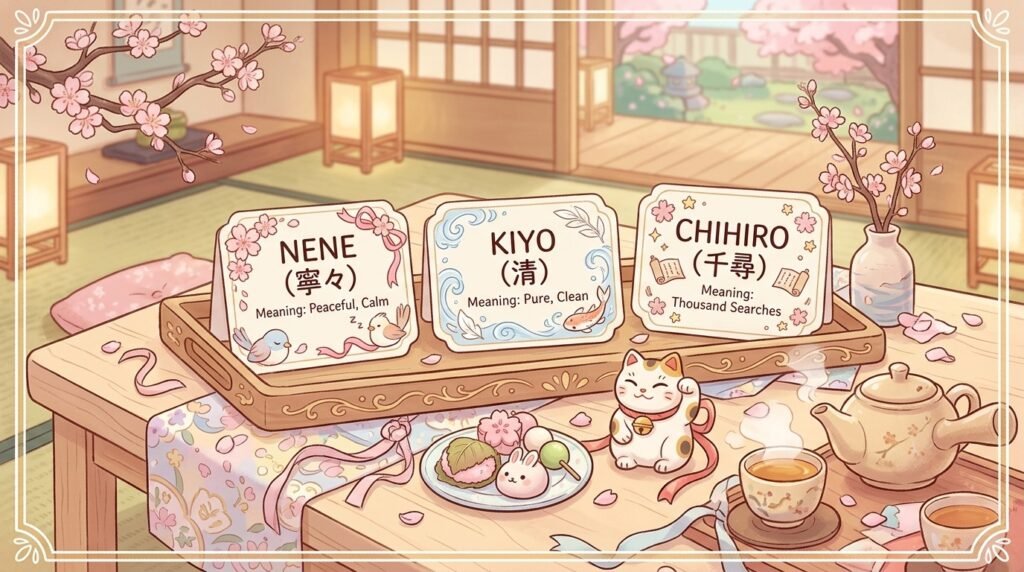
Want something more playful? Cute japanese names that mean sweet can combine sweetness with tiny animals, soft textures, bells, bubbles, stars, and playful sounds.
These names are particularly fun for fictional characters, pets, nicknames, or creative projects.
Here are 20 Japanese name for sweet:
1. Amapiyo
• Meaning: sweet little chirp
• Pronunciation: ah-mah-pee-yoh
• Kanji: 甘雛
2. Kanachan
• Meaning: sweet darling
• Pronunciation: kah-nah-chan
• Kanji: 甘愛
3. Mitsumaru
• Meaning: sweet round one
• Pronunciation: mee-tsoo-mah-roo
• Kanji: 甘丸
4. Amafuwari
• Meaning: sweet fluffy
• Pronunciation: ah-mah-foo-wah-ree
• Kanji: 甘柔
5. Kanabubu
• Meaning: sweet puff
• Pronunciation: kah-nah-boo-boo
• Kanji: 甘撫
6. Mitsuppi
• Meaning: sweet tiny
• Pronunciation: mee-tsoo-pee
• Kanji: 甘小
7. Amarin
• Meaning: sweet ring
• Pronunciation: ah-mah-reen
• Kanji: 甘輪
8. Kanapon
• Meaning: sweet pop
• Pronunciation: kah-nah-pohn
• Kanji: 甘音
9. Mitsuneko
• Meaning: sweet kitten
• Pronunciation: mee-tsoo-neh-koh
• Kanji: 甘猫
10. Amabubu
• Meaning: sweet bubble
• Pronunciation: ah-mah-boo-boo
• Kanji: 甘泡
11. Kanarin
• Meaning: sweet bell
• Pronunciation: kah-nah-reen
• Kanji: 甘鈴
12. Mitsuhochi
• Meaning: sweet tiny star
• Pronunciation: mee-tsoo-hoh-chee
• Kanji: 甘星
13. Amayoriho
• Meaning: sweet tiny sail
• Pronunciation: ah-mah-yoh-ree-hoh
• Kanji: 甘帆
14. Kanapipi
• Meaning: sweet small sound
• Pronunciation: kah-nah-pee-pee
• Kanji: 甘々音
15. Mitsufuwa
• Meaning: sweet fluff
• Pronunciation: mee-tsoo-foo-wah
• Kanji: 甘柔
16. Amarinne
• Meaning: sweet little ring
• Pronunciation: ah-mah-reen-neh
• Kanji: 甘輪音
17. Kanachibi
• Meaning: sweet tiny one
• Pronunciation: kah-nah-chee-bee
• Kanji: 甘小
18. Mitsuhanae
• Meaning: sweet little flower
• Pronunciation: mee-tsoo-hah-nah-eh
• Kanji: 甘花恵
19. Amamoko
• Meaning: sweet sprout
• Pronunciation: ah-mah-moh-koh
• Kanji: 甘萌
20. Kanaponne
• Meaning: sweet popping sound
• Pronunciation: kah-nah-pohn-neh
• Kanji: 甘音音
These are much more playful than conventional-sounding choices. For example, Mitsuneko immediately creates a kitten-like image, while Kanarin has a bright bell-like feel.
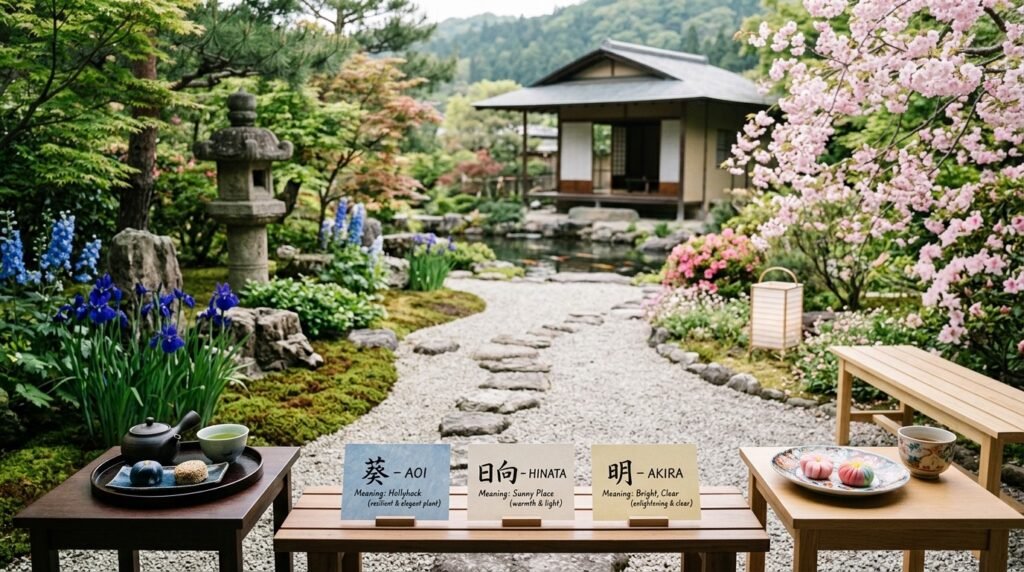
Unisex names can be a great choice when you don’t want to limit your search to traditional boy or girl categories. The source includes names connected with sweetness, nature, fragrance, sounds, colors, and gentle qualities.
Here are 20 Japanese name for sweet:
1. Amaya
• Meaning: sweet night
• Pronunciation: ah-mah-yah
• Kanji: 甘夜
2. Kanemi
• Meaning: sweet smile
• Pronunciation: kah-neh-mee
• Kanji: 甘笑
3. Mitsuru
• Meaning: sweet fullness
• Pronunciation: mee-tsoo-roo
• Kanji: 甘満
4. Amato
• Meaning: sweet person
• Pronunciation: ah-mah-toh
• Kanji: 甘人
5. Kanairo
• Meaning: sweet color
• Pronunciation: kah-nah-ee-roh
• Kanji: 甘色
6. Mitsuki
• Meaning: sweet moon
• Pronunciation: mee-tsoo-kee
• Kanji: 甘月
7. Amahiko
• Meaning: sweet prince
• Pronunciation: ah-mah-hee-koh
• Kanji: 甘彦
8. Kanato
• Meaning: sweet sound
• Pronunciation: kah-nah-toh
• Kanji: 甘音
9. Mitsuna
• Meaning: sweet harmony
• Pronunciation: mee-tsoo-nah
• Kanji: 甘和
10. Amehara
• Meaning: sweet field
• Pronunciation: ah-meh-hah-rah
• Kanji: 甘原
11. Kamitsu
• Meaning: sweet honey
• Pronunciation: kah-mee-tsoo
• Kanji: 甘蜜
12. Amari
• Meaning: sweet village
• Pronunciation: ah-mah-ree
• Kanji: 甘里
13. Kanaho
• Meaning: sweet sail
• Pronunciation: kah-nah-hoh
• Kanji: 甘帆
14. Mitsura
• Meaning: sweet silk
• Pronunciation: mee-tsoo-rah
• Kanji: 甘羅
15. Amayuki
• Meaning: sweet snow
• Pronunciation: ah-mah-yoo-kee
• Kanji: 甘雪
16. Kanae
• Meaning: sweet blessing
• Pronunciation: kah-nah-eh
• Kanji: 甘恵
17. Mitsuruha
• Meaning: sweet leaf weave
• Pronunciation: mee-tsoo-roo-hah
• Kanji: 甘織葉
18. Amagi
• Meaning: sweet tree
• Pronunciation: ah-mah-ghee
• Kanji: 甘木
19. Kanrei
• Meaning: sweet command
• Pronunciation: kahn-ray
• Kanji: 甘令
20. Mitsudo
• Meaning: sweet earth
• Pronunciation: mee-tsoo-doh
• Kanji: 甘土
The source also includes additional unisex choices connected with dependability, kindness, fragrance, flowers, and compassion.
If you want a name with a stronger connection to literal sweetness, this category is worth exploring. Some source-listed names use imagery involving honey, syrup, or sweet substances.
For example, Kamitsu is associated with sweet honey, while Amatoro is described as sweet syrup. These are much more direct than names based on flowers or kindness.
Kamitsu is listed with the meaning “sweet honey,” making it one of the clearest honey-inspired choices in the source.
Amatoro is listed as “sweet syrup,” giving it an even more dessert-like feeling.
Mikanji is associated with a “sweet fruit spirit,” so it offers a fruit-inspired alternative.
The source connects sweetness with ideas such as honey, fragrance, blossoms, kindness, beauty, smiles, dreams, gentle leaves, and pleasant sounds.
This is useful because sweetness doesn’t always have to mean sugar. A name can feel sweet because of the emotion or image behind it.
They can work as creative inspiration for a Japanese name for sweet, but you shouldn’t assume every food-inspired combination is an established Japanese given name.
If you’re naming a real baby, check the name’s actual Japanese usage and legal suitability first. Japan regulates which kanji can be used in children’s names.
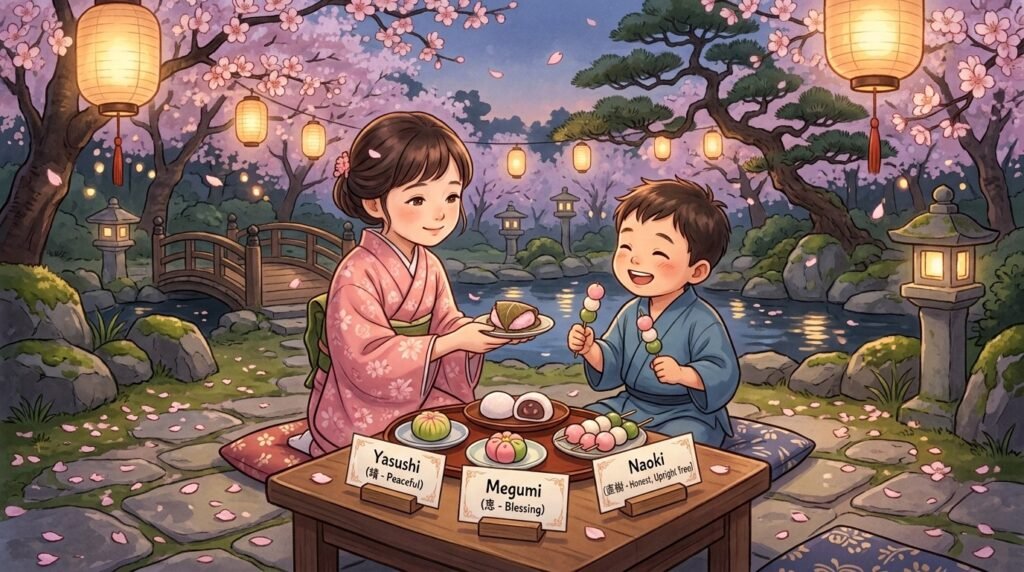
Maybe you’re not looking for a name that literally means “sweet.” Perhaps you mean someone who is warm, caring, affectionate, gentle, or kind.
That’s a much broader idea. The source includes names associated with kindness, compassion, goodness, gentleness, affection, and emotional warmth. For example, Kanko is listed as “sweet kindness,” while Mitsuhito represents “sweet compassion.”
Here are few more Japanese name for sweet:
Kanko — sweet kindness
Mitsuyu — sweet gentleness
Amayushi — sweet kindness
Mitsuhito — sweet compassion
Kanze — sweet kindness
These choices focus more on personality than taste.
Yes. The source includes names connected with love and affection, including Amai, meaning sweet love, and Mitsurae, meaning sweet affection.
The supplied names repeatedly combine the sweetness-related 甘 with characters associated in the source with beauty, kindness, flowers, sounds, leaves, dreams, and other gentle imagery. For a Japanese name for sweet, however, don’t choose kanji based only on how pretty they look. The exact character affects meaning, pronunciation, and cultural context.

This is where you should slow down a little. A name can look Japanese without being a commonly used Japanese name.
The supplied source openly describes some combinations as rare or crafted. That’s important if you’re choosing a real baby name rather than a character name.
Japanese names commonly use kanji, and the same pronunciation can sometimes correspond to different written forms.
Some names in the source are presented as having traditional roots or modern adaptations, while many others are explicitly described as rare or creative. For a Japanese name for sweet, it’s best to verify whether Japanese speakers actually use the specific combination you’re considering.
A modern name may use familiar sounds with less common kanji, nature imagery, or a creative combination.
Still, “modern” doesn’t automatically mean “commonly used.” Those are two different things.
Look for evidence of real Japanese usage rather than relying only on an English-language name list when researching a Japanese name for sweet.
When choosing a Japanese name for sweet, check the exact kanji, pronunciation, gender association, and whether the name appears in Japanese naming references. Japanese first names commonly use kanji, and different kanji can represent the same pronunciation.
Choosing a name becomes easier when you decide what sweet means to you.
Maybe you want kindness. Maybe you want beauty. Or perhaps you’re after something cute, nature-inspired, romantic, or connected with honey.
Try this simple approach:
Ideally, choose both. You want a name that sounds pleasant when spoken and carries a meaning you genuinely like.
Kanji carries meaning. Two names can have similar or identical pronunciations but use different characters, producing different meanings.
Learn the correct pronunciation and meaning first. Also check whether the name is genuinely used in Japan rather than assuming an unusual combination is traditional.
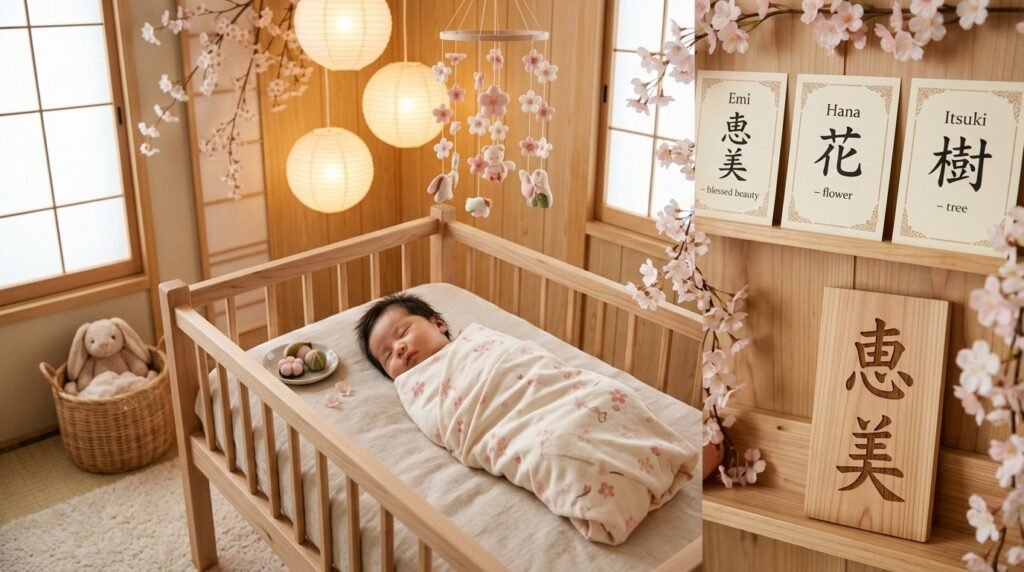
Sweet-themed baby names can be adorable, but this is also where accuracy matters most.
Some names in the source are gentle and simple. Others are highly creative. The source itself says that some unusual combinations may work better for fictional characters or worldbuilding than legal baby names.
For an actual baby, check the kanji and reading carefully when choosing a Japanese name for sweet. Japan has an official list of kanji that may be used in children’s names, and the government provides a searchable reference for those characters.
Think beyond the English meaning. Check the Japanese pronunciation, exact kanji, real-world usage, and whether the combination works naturally as a given name.
Some sweet themes can work across genders. The source specifically includes unisex choices involving sweetness, nature, fragrance, sound, and kindness.
Start with the quality you want to express, then verify the exact kanji meaning and reading. Don’t choose a character only because its English translation sounds nice.
There are two ways to approach this search. You can choose a name connected directly with sweet things, or you can choose a name that captures the emotional feeling of sweetness.
Direct examples include honey and syrup. More poetic options involve flowers, fragrance, dreams, smiles, and gentle nature imagery.
That distinction is useful when you’re comparing Japanese name. for sweet A literal option may feel playful, while a symbolic one can feel more elegant.
Kamitsu is listed as “sweet honey,” making it the clearest honey-related example in the source.
Amatoro is listed as “sweet syrup,” with the kanji 甘糖.
Names such as Amayuki (“sweet snow”), Mitsuha (“sweet leaf”), Amahana (“sweet flower”), and Mitsuhasa (“sweet lotus”) combine sweetness with natural imagery.
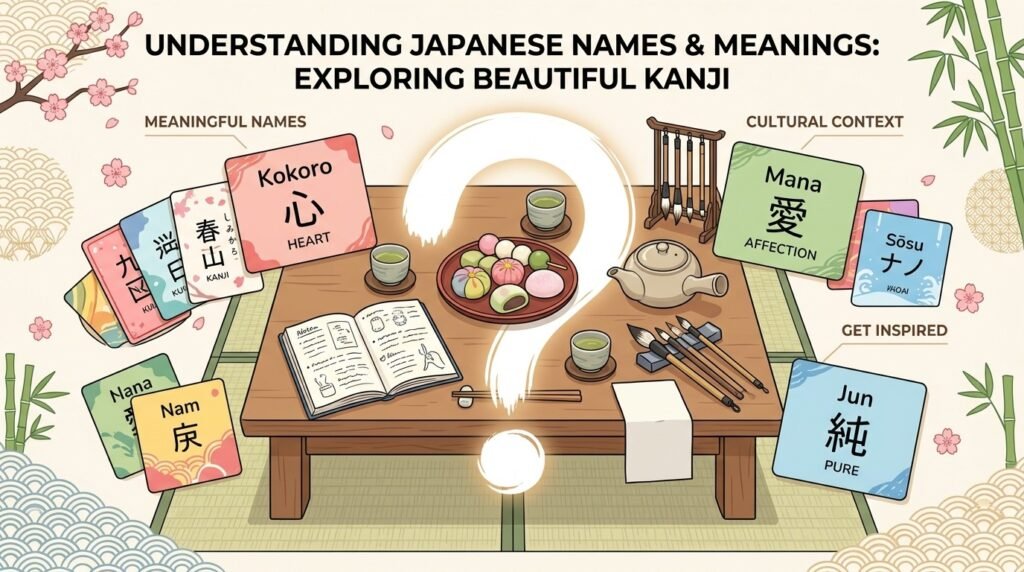
Finding a japanese name for sweet isn’t always as simple as translating one English word. Japanese names can express an idea through the combination of kanji, sound, and imagery.
The source also notes that direct sweet-themed names are generally uncommon or poetic, while softer themes can fit Japanese naming more naturally.
甘 is used throughout the supplied source to represent sweetness, while other names express sweetness through kindness, beauty, flowers, fragrance, and affection.
Yes. Different kanji can produce different meanings for similar pronunciations, which is why checking the written form matters.
Japanese has many characters with multiple readings and many sounds that can correspond to different kanji. The written characters help establish the intended meaning.
They can feel sweet because flowers, leaves, snow, seasons, and gentle natural images create a soft emotional impression.
Absolutely. Kindness, affection, harmony, fragrance, beauty, and gentleness can all communicate the idea of sweetness without directly translating to “sweet.”
You can explore Japanese name for sweet respectfully, but learn the meaning, pronunciation, and cultural context instead of choosing one solely because it sounds exotic.
Check the exact kanji, pronunciation, and real-world Japanese usage of Japanese name for sweet. For a baby name, also confirm that the chosen characters are permitted for children’s names in Japan.
Choosing the right japanese name for sweet can be a fun and meaningful journey. The best choice doesn’t always need to translate directly to “sweet.” Sometimes, kindness, warmth, beauty, or affection can express the same feeling. Take your time and choose a meaning that feels personal to you.
Whether you’re exploring japanese names that mean sweet or broader japanese names meaning sweet, there are plenty of directions to consider. You might prefer a gentle nature-inspired name, a cute option, or something rare and creative. Each style brings its own personality, so think about the feeling you want the name to create.
If you’re looking through japanese girl names, japanese names for girls, japanese female names, or japanese girls names, focus on both meaning and sound. Check the kanji carefully, too. A thoughtful choice will feel much more special when you understand what it represents. Most importantly, pick a name that feels natural, memorable, and right for your purpose.