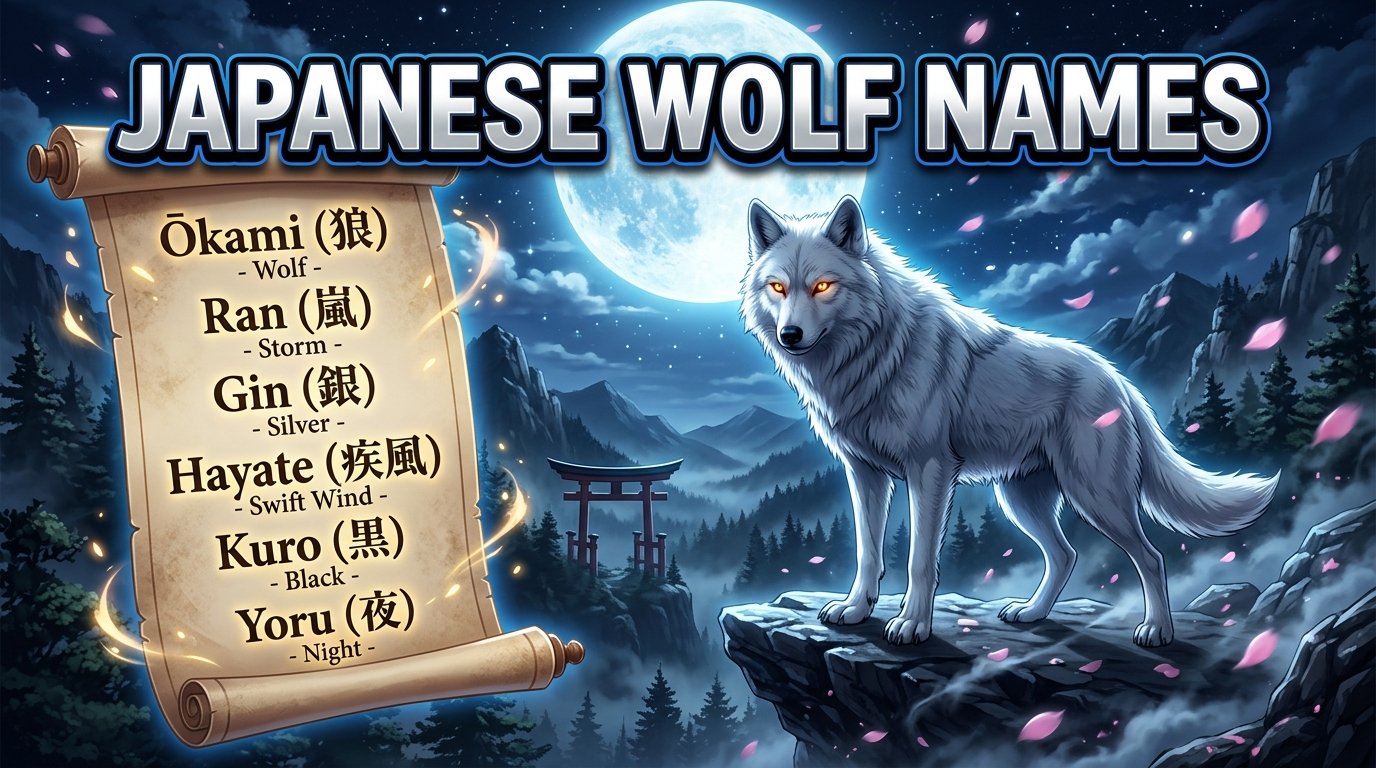
Looking for japanese wolf names? You’re in the right place. Wolves hold deep meaning in Japanese culture. They stand for strength, loyalty, and wild freedom. That’s why so many people search for japanese wolf names today. Whether you want a name for a pet, a character, or just love the sound of it, this list has you covered.
This guide covers japanese names meaning wolf from top to bottom. We’ll share japanese names that mean wolf for both boys and girls. You’ll also find a japanese name meaning wolf for stories, games, or real life. Some readers want simple picks. Others want deep, symbolic ones. Either way, our japanese names for wolf list has something for you. Let’s dive into the best names now.
What Makes Japanese Wolf Names So Meaningful
Japanese wolf names carry deep symbolism rooted in strength, spirit, and nature. Each name reflects respect for the wolf as a guardian animal in Japanese belief. These names blend sound, meaning, and tradition, making them powerful choices for pets, characters, or personal use.
Ōkami
Meaning: Wolf (general term)
Pronunciation: oh-kah-mee
Script: 狼
Yamainu
Meaning: Mountain dog/wolf
Pronunciation: yah-mah-ee-noo
Script: 山犬
Shirō
Meaning: White wolf spirit
Pronunciation: shee-roh
Script: 白狼
Kurō
Meaning: Black wolf
Pronunciation: koo-roh
Script: 黒狼
Tsuyoshi
Meaning: Strong, powerful one
Pronunciation: tsoo-yoh-shee
Script: 剛
Kiba
Meaning: Fang
Pronunciation: kee-bah
Script: 牙
Ryūga
Meaning: Dragon fang, fierce
Pronunciation: ryoo-gah
Script: 龍牙
Ookuro
Meaning: Great black wolf
Pronunciation: oh-koo-roh
Script: 大黒狼
Mikaze
Meaning: Beautiful wind spirit
Pronunciation: mee-kah-zeh
Script: 美風
Yasei
Meaning: Wild nature
Pronunciation: yah-say
Script: 野生
Ōkaminushi
Meaning: Wolf master
Pronunciation: oh-kah-mee-noo-shee
Script: 狼主
Sōken
Meaning: Strong fist, guardian
Pronunciation: soh-ken
Script: 壮拳
Yamato
Meaning: Great harmony, Japan spirit
Pronunciation: yah-mah-toh
Script: 大和
Kōga
Meaning: Fierce fang, warrior name
Pronunciation: koh-gah
Script: 剛牙
Rokurō
Meaning: Sixth son, sturdy
Pronunciation: roh-koo-roh
Script: 六郎
Ginrō
Meaning: Silver wolf
Pronunciation: gin-roh
Script: 銀狼
Enrai
Meaning: Distant thunder
Pronunciation: en-rye
Script: 遠雷
Takeshi
Meaning: Fierce, warrior-like
Pronunciation: tah-keh-shee
Script: 猛
Fuurin
Meaning: Wind spirit bell
Pronunciation: foo-rin
Script: 風鈴
Sōra
Meaning: Sky, freedom
Pronunciation: soh-rah
Script: 空
Genrō
Meaning: Original wolf, primal
Pronunciation: gen-roh
Script: 元狼
Hayate
Meaning: Swift wind
Pronunciation: hah-yah-teh
Script: 疾風
Reiga
Meaning: Spirit fang
Pronunciation: ray-gah
Script: 霊牙
Kagerō
Meaning: Heat haze wolf
Pronunciation: kah-geh-roh
Script: 陽炎狼
Meiyo
Meaning: Honor
Pronunciation: may-yoh
Script: 名誉
Shinrai
Meaning: Trust, loyalty
Pronunciation: shin-rye
Script: 信頼
Ōga
Meaning: Great fang
Pronunciation: oh-gah
Script: 大牙
Fujin
Meaning: Wind god
Pronunciation: foo-jin
Script: 風神
Kurenai
Meaning: Crimson, deep red
Pronunciation: koo-reh-nah-ee
Script: 紅
Isamu
Meaning: Courage, bravery
Pronunciation: ee-sah-moo
Script: 勇
The History Behind Japanese Wolf Names and Folklore
Japanese Wolf Names Inspired by Nature and Mountains
Nature shapes many japanese wolf names, drawing from mountains, forests, and wild landscapes. These names reflect the wolf’s connection to Japan’s rugged terrain and untamed wilderness.
Yamaji
Meaning: Mountain path
Pronunciation: yah-mah-jee
Script: 山路
Mori
Meaning: Forest
Pronunciation: moh-ree
Script: 森
Iwao
Meaning: Rock, boulder
Pronunciation: ee-wah-oh
Script: 巌
Takao
Meaning: High mountain man
Pronunciation: tah-kah-oh
Script: 高雄
Ranmaru
Meaning: Orchid circle, wild beauty
Pronunciation: rahn-mah-roo
Script: 蘭丸
Sansei
Meaning: Mountain spirit
Pronunciation: sahn-say
Script: 山精
Kawano
Meaning: River field
Pronunciation: kah-wah-noh
Script: 川野
Nagisa
Meaning: Shore, beach edge
Pronunciation: nah-gee-sah
Script: 渚
Ranjō
Meaning: Wild forest castle
Pronunciation: rahn-joh
Script: 蘭城
Tanaka
Meaning: Middle of the rice field
Pronunciation: tah-nah-kah
Script: 田中
Yamane
Meaning: Mountain root
Pronunciation: yah-mah-neh
Script: 山根
Mineo
Meaning: Peak man
Pronunciation: mee-neh-oh
Script: 峰男
Ryokuchi
Meaning: Green land
Pronunciation: ryoh-koo-chee
Script: 緑地
Shizuka
Meaning: Quiet, calm nature
Pronunciation: shee-zoo-kah
Script: 静香
Wakaba
Meaning: Young leaf
Pronunciation: wah-kah-bah
Script: 若葉
Kōya
Meaning: Vast field, wilderness
Pronunciation: koh-yah
Script: 荒野
Fukurō
Meaning: Owl, forest guardian
Pronunciation: foo-koo-roh
Script: 梟
Takamori
Meaning: High forest
Pronunciation: tah-kah-moh-ree
Script: 高森
Nagareboshi
Meaning: Shooting star over hills
Pronunciation: nah-gah-reh-boh-shee
Script: 流れ星
Yamashita
Meaning: Below the mountain
Pronunciation: yah-mah-shee-tah
Script: 山下
Ranko
Meaning: Wild orchid child
Pronunciation: rahn-koh
Script: 蘭子
Shinrin
Meaning: Forest, woodland
Pronunciation: shin-rin
Script: 森林
Takamine
Meaning: High peak
Pronunciation: tah-kah-mee-neh
Script: 高峰
Nozaki
Meaning: Field cape
Pronunciation: noh-zah-kee
Script: 野崎
Aranami
Meaning: Wild wave
Pronunciation: ah-rah-nah-mee
Script: 荒波
Yamakaze
Meaning: Mountain wind
Pronunciation: yah-mah-kah-zeh
Script: 山風
Kobayashi
Meaning: Small forest
Pronunciation: koh-bah-yah-shee
Script: 小林
Ranrin
Meaning: Wild grove
Pronunciation: rahn-rin
Script: 蘭林
Ōno
Meaning: Great field
Pronunciation: oh-noh
Script: 大野
Yamazaki
Meaning: Mountain cape
Pronunciation: yah-mah-zah-kee
Script: 山崎
Mythical Japanese Wolf Names From Legends and Shrines
Match the name’s meaning to the wolf’s personality
Say the name out loud before deciding
Check the kanji meaning carefully
Avoid names that are too hard to pronounce
Pick a name with a sound you enjoy repeating
Think about how the name looks in writing
Consider the wolf’s coat color for name inspiration
Look into mythology for deeper meaning
Keep the name short if you want easy calling
Choose nature-based names for a wild feel
Pick celestial names for a mystical touch
Avoid names too similar to common commands
Research the name’s cultural background first
Choose a name that ages well as the wolf grows
Think about nicknames the name could create
Pick gender-fitting names if needed
Avoid overused names for a unique choice
Test the name with family or friends first
Consider names tied to specific shrines or legends
Balance strength and elegance in your pick
Choose names with positive, powerful meanings
Avoid names with negative or dark translations
Think about how the name sounds when shouted
Pick names that reflect loyalty or courage
Consider seasonal names tied to birth time
Look for names with rich historical roots
Choose names that are easy for others to remember
Avoid trendy names that may feel dated later
Trust your instinct if a name feels right
Take time before finalizing your final choice
That completes all nine sections. Let me know if you’d like the FAQs, conclusion, or meta description next.
Frequently Asked Questions
People searching for these names usually want quick, honest answers. Below, we cover the most common questions readers ask.
What do wolf names in Japanese usually mean?
Most japanese wolf names mean strength, loyalty, or nature. They often tie to mountains, moons, or old folklore tales.
Are there specific names just for boy wolves?
Yes, many japanese wolf names for males focus on power and courage, like Takeru or Kiba, meaning fang.
What about names that suit female wolves?
Female japanese wolf names sound softer and elegant. Names like Yuki or Sakura carry gentle, beautiful meanings.
Do these names come from Japanese mythology?
Many japanese wolf names trace back to Shinto shrines and folklore. Ōkami and Yamainu are strong mythology-based examples.
Can I use these names for pets other than wolves?
Absolutely. Japanese wolf names work great for dogs, cats, or even fictional characters needing strong, meaningful names.
How do I pronounce these names correctly?
Most japanese wolf names use simple phonetic sounds. Breaking them into syllables makes pronunciation much easier for beginners.
Is it hard to find unique wolf names in Japanese?
Not at all. There are hundreds of japanese wolf names, from short and simple to rare and mythical picks.
Conclusion
Choosing from japanese wolf names isn’t hard once you know what to look for. This list covered strong male picks, elegant female choices, and rare finds too. Whether you wanted japanese names meaning wolf or something tied to myths and mountains, you found plenty of options here. Each name carries real meaning, not just nice sounds.
Take your time picking the right one. Say each japanese name meaning wolf out loud first. See how it fits your pet, character, or project. Japanese names that mean wolf often blend beauty with power, which makes them special. If you still can’t decide, revisit our japanese names for wolf sections above. There’s truly a name here for everyone. Good luck choosing your perfect japanese wolf names today!