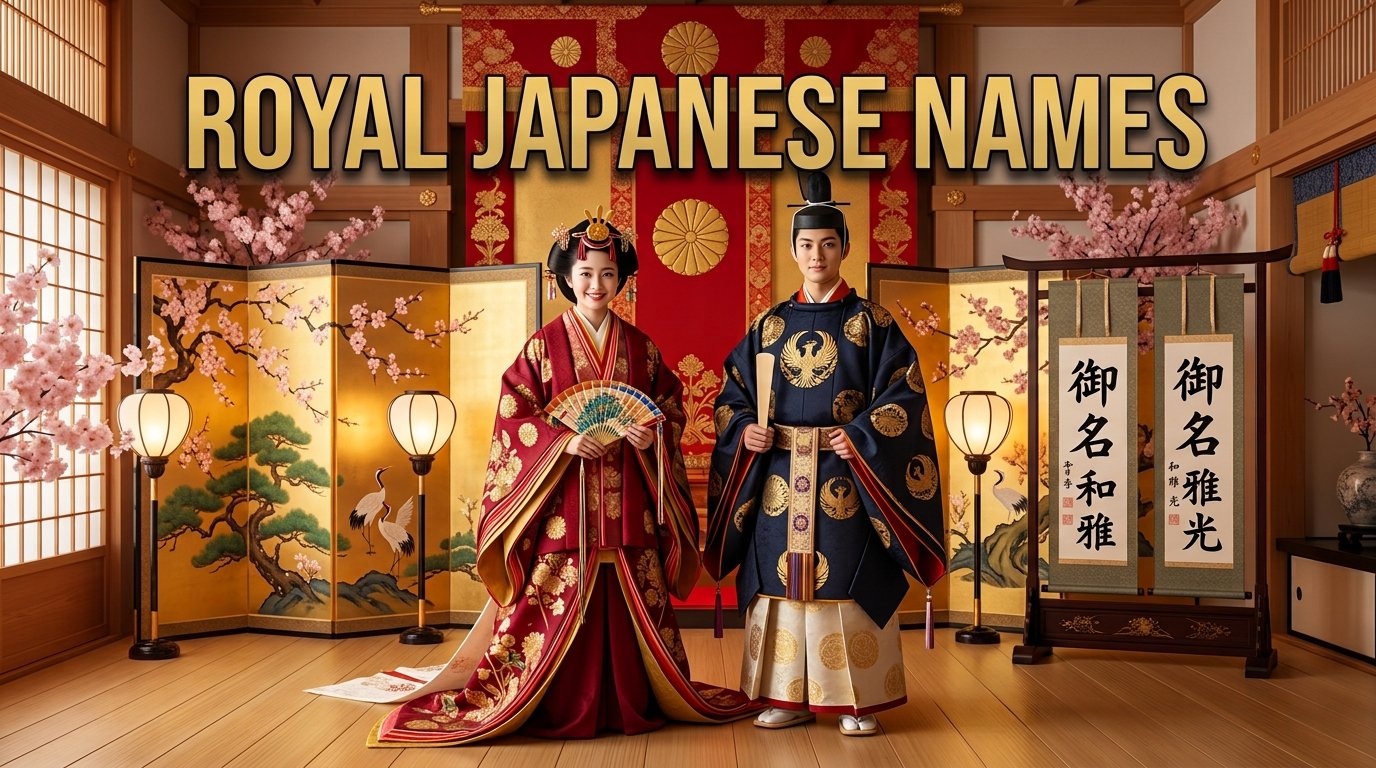
Japan’s royal history runs deep. And royal Japanese names carry that history in every syllable. Each name tells a story. It might point to strength, grace, or even the sun itself. That’s the magic of royal Japanese names. They’re not just labels. They’re small pieces of tradition passed down through generations.
You might be here for a baby name. Or maybe you just love Japanese culture. Either way, royal Japanese names have something special to offer. They sound elegant, yet they carry real meaning. Some come from ancient emperors. Others belong to princesses who shaped history. In this guide, you’ll learn what makes royal Japanese names so unique. You’ll also find real examples you can use today. Let’s dive in.
What Makes Royal Japanese Names So Meaningful
Royal Japanese names carry weight beyond sound. Each one blends kanji characters chosen for meaning, history, and hope. Families and imperial lines alike pick these names to reflect virtue, nature, or destiny, making royal Japanese names timeless symbols of identity.
Akihito
Meaning: Bright, benevolent
Pronunciation: Ah-kee-hee-toh
Script: 明仁
Michiko
Meaning: Beautiful wisdom child
Pronunciation: Mee-chee-koh
Script: 美智子
Hirohito
Meaning: Abundant benevolence
Pronunciation: Hee-roh-hee-toh
Script: 裕仁
Sachiko
Meaning: Child of happiness
Pronunciation: Sah-chee-koh
Script: 幸子
Masahito
Meaning: True benevolence
Pronunciation: Mah-sah-hee-toh
Script: 正仁
Yasuko
Meaning: Peaceful child
Pronunciation: Yah-soo-koh
Script: 安子
Fumihito
Meaning: Literary benevolence
Pronunciation: Foo-mee-hee-toh
Script: 文仁
Kazuko
Meaning: Harmony child
Pronunciation: Kah-zoo-koh
Script: 和子
Naruhito
Meaning: Virtue achieved
Pronunciation: Nah-roo-hee-toh
Script: 徳仁
Aiko
Meaning: Love child
Pronunciation: Eye-koh
Script: 愛子
Nobuhito
Meaning: Faithful benevolence
Pronunciation: Noh-boo-hee-toh
Script: 信仁
Reiko
Meaning: Graceful child
Pronunciation: Ray-koh
Script: 麗子
Tsuguhito
Meaning: Successor of benevolence
Pronunciation: Tsoo-goo-hee-toh
Script: 継仁
Emiko
Meaning: Smiling beautiful child
Pronunciation: Eh-mee-koh
Script: 恵美子
Yoshihito
Meaning: Righteous benevolence
Pronunciation: Yoh-shee-hee-toh
Script: 良仁
Setsuko
Meaning: Loyal, moral child
Pronunciation: Seh-tsoo-koh
Script: 節子
Katsuhito
Meaning: Victorious benevolence
Pronunciation: Kah-tsoo-hee-toh
Script: 勝仁
Hisako
Meaning: Everlasting child
Pronunciation: Hee-sah-koh
Script: 久子
Takahito
Meaning: Noble benevolence
Pronunciation: Tah-kah-hee-toh
Script: 崇仁
Noriko
Meaning: Child of law and order
Pronunciation: Noh-ree-koh
Script: 典子
Norihito
Meaning: Rule of benevolence
Pronunciation: Noh-ree-hee-toh
Script: 徳仁 (variant reading)
Yuriko
Meaning: Lily child
Pronunciation: Yoo-ree-koh
Script: 百合子
Akihide
Meaning: Bright excellence
Pronunciation: Ah-kee-hee-deh
Script: 昭秀
Tomohito
Meaning: Wise benevolence
Pronunciation: Toh-moh-hee-toh
Script: 知仁
Chikako
Meaning: Wise child
Pronunciation: Chee-kah-koh
Script: 智子
Hironomiya
Meaning: Great prince title
Pronunciation: Hee-roh-noh-mee-yah
Script: 浩宮
Kikuko
Meaning: Chrysanthemum child
Pronunciation: Kee-koo-koh
Script: 菊子
Masako
Meaning: Righteous child
Pronunciation: Mah-sah-koh
Script: 雅子
Sadahito
Meaning: Decisive benevolence
Pronunciation: Sah-dah-hee-toh
Script: 貞仁
Yoshiko
Meaning: Good, virtuous child
Pronunciation: Yoh-shee-koh
Script: 良子
The History Behind Royal Japanese Names
Royal Japanese names trace back over a thousand years, shaped by court traditions, Chinese influence, and Shinto beliefs. Ancient emperors and empresses chose names tied to virtue and heaven, and that legacy still echoes through Japan’s imperial family today.
Jimmu
Meaning: Divine warrior
Pronunciation: Jim-moo
Script: 神武
Suizei
Meaning: Tribute to water spirit
Pronunciation: Soo-ee-zay
Script: 綏靖
Ankan
Meaning: Peaceful cold
Pronunciation: Ahn-kahn
Script: 安閑
Kinmei
Meaning: Bright gold
Pronunciation: Keen-may
Script: 欽明
Suiko
Meaning: Reverent filial piety
Pronunciation: Soo-ee-koh
Script: 推古
Jomei
Meaning: Bright succession
Pronunciation: Joh-may
Script: 舒明
Kotoku
Meaning: Ancient virtue
Pronunciation: Koh-toh-koo
Script: 孝徳
Tenji
Meaning: Heavenly wisdom
Pronunciation: Ten-jee
Script: 天智
Jito
Meaning: Governing wisdom
Pronunciation: Jee-toh
Script: 持統
Genmei
Meaning: Origin of brightness
Pronunciation: Gen-may
Script: 元明
Shomu
Meaning: Sacred military strength
Pronunciation: Shoh-moo
Script: 聖武
Koken
Meaning: Bright virtue
Pronunciation: Koh-ken
Script: 孝謙
Kanmu
Meaning: Brave and diligent
Pronunciation: Kahn-moo
Script: 桓武
Saga
Meaning: Fragrant slope
Pronunciation: Sah-gah
Script: 嵯峨
Ninmyo
Meaning: Benevolent brightness
Pronunciation: Neen-myoh
Script: 仁明
Montoku
Meaning: Cultured virtue
Pronunciation: Mohn-toh-koo
Script: 文徳
Seiwa
Meaning: Sacred harmony
Pronunciation: Say-wah
Script: 清和
Yozei
Meaning: Radiant blessing
Pronunciation: Yoh-zay
Script: 陽成
Uda
Meaning: Field of virtue
Pronunciation: Oo-dah
Script: 宇多
Daigo
Meaning: Great enlightenment
Pronunciation: Dai-goh
Script: 醍醐
Suzaku
Meaning: Vermilion bird
Pronunciation: Soo-zah-koo
Script: 朱雀
Murakami
Meaning: Village above
Pronunciation: Moo-rah-kah-mee
Script: 村上
Reizei
Meaning: Cool spring
Pronunciation: Ray-zay
Script: 冷泉
Enyu
Meaning: Lasting kindness
Pronunciation: En-yoo
Script: 円融
Kazan
Meaning: Flower mountain
Pronunciation: Kah-zahn
Script: 花山
Ichijo
Meaning: First article, first virtue
Pronunciation: Ee-chee-joh
Script: 一条
Sanjo
Meaning: Third article
Pronunciation: Sahn-joh
Script: 三条
Goichijo
Meaning: Later first article
Pronunciation: Goh-ee-chee-joh
Script: 後一条
Gosanjo
Meaning: Later third article
Pronunciation: Goh-sahn-joh
Script: 後三条
Shirakawa
Meaning: White river
Pronunciation: Shee-rah-kah-wah
Script: 白川
Royal Japanese Names for Boys and Their Meanings
Royal Japanese names for boys often carry themes of strength, wisdom, and honor. Many trace back to emperors and princes, blending kanji that speak of leadership and virtue, making them popular choices for parents seeking a name with real depth.
Kenji
Meaning: Strong and wise second son
Pronunciation: Ken-jee
Script: 賢二
Haruto
Meaning: Sun flying
Pronunciation: Hah-roo-toh
Script: 陽翔
Sora
Meaning: Sky
Pronunciation: Soh-rah
Script: 空
Ryota
Meaning: Refreshing, big
Pronunciation: Ryoh-tah
Script: 涼太
Daiki
Meaning: Great glory
Pronunciation: Dai-kee
Script: 大輝
Kaito
Meaning: Ocean soaring
Pronunciation: Kai-toh
Script: 海翔
Yamato
Meaning: Great harmony, ancient Japan
Pronunciation: Yah-mah-toh
Script: 大和
Ren
Meaning: Lotus
Pronunciation: Ren
Script: 蓮
Sosuke
Meaning: Helper, aiding one
Pronunciation: Soh-soo-keh
Script: 宗介
Takeshi
Meaning: Fierce warrior
Pronunciation: Tah-keh-shee
Script: 武
Kenzo
Meaning: Strong and healthy third son
Pronunciation: Ken-zoh
Script: 健三
Shinji
Meaning: True second son
Pronunciation: Sheen-jee
Script: 真二
Hikaru
Meaning: Light, radiance
Pronunciation: Hee-kah-roo
Script: 光
Kotaro
Meaning: Big son, thick
Pronunciation: Koh-tah-roh
Script: 幸太郎
Tatsuya
Meaning: Dragon valor
Pronunciation: Tah-tsoo-yah
Script: 達也
Riku
Meaning: Land, earth
Pronunciation: Ree-koo
Script: 陸
Shota
Meaning: Soaring, big
Pronunciation: Shoh-tah
Script: 翔太
Masaru
Meaning: Victory
Pronunciation: Mah-sah-roo
Script: 勝
Susumu
Meaning: To advance
Pronunciation: Soo-soo-moo
Script: 進
Isamu
Meaning: Brave, courageous
Pronunciation: Ee-sah-moo
Script: 勇
Toshiro
Meaning: Talented, intelligent son
Pronunciation: Toh-shee-roh
Script: 敏郎
Yuudai
Meaning: Great hero
Pronunciation: Yoo-dai
Script: 雄大
Akira
Meaning: Bright, clear
Pronunciation: Ah-kee-rah
Script: 明
Hayato
Meaning: Falcon person
Pronunciation: Hah-yah-toh
Script: 隼人
Noboru
Meaning: To rise, ascend
Pronunciation: Noh-boh-roo
Script: 昇
Tsukasa
Meaning: Official, one who governs
Pronunciation: Tsoo-kah-sah
Script: 司
Wataru
Meaning: To cross over
Pronunciation: Wah-tah-roo
Script: 渡
Kiyoshi
Meaning: Pure, quiet
Pronunciation: Kee-yoh-shee
Script: 清
Yoshio
Meaning: Righteous man
Pronunciation: Yoh-shee-oh
Script: 良夫
Michio
Meaning: Man of the path
Pronunciation: Mee-chee-oh
Script: 道夫
Royal Japanese Names for Girls and Their Meanings
Royal Japanese names for girls often reflect beauty, grace, and gentle strength. Drawing from nature, virtue, and imperial tradition, these names blend soft sounds with deep meaning, giving them lasting appeal across generations.
Sakura
Meaning: Cherry blossom
Pronunciation: Sah-koo-rah
Script: 桜
Hana
Meaning: Flower
Pronunciation: Hah-nah
Script: 花
Yui
Meaning: Tie, bind, gentle
Pronunciation: Yoo-ee
Script: 結
Rina
Meaning: Jasmine, village
Pronunciation: Ree-nah
Script: 里奈
Ayaka
Meaning: Colorful fragrance
Pronunciation: Ah-yah-kah
Script: 彩香
Mei
Meaning: Bright, beautiful
Pronunciation: May
Script: 芽依
Nozomi
Meaning: Hope
Pronunciation: Noh-zoh-mee
Script: 望
Kaori
Meaning: Fragrance
Pronunciation: Kah-oh-ree
Script: 香織
Rin
Meaning: Dignified, cold
Pronunciation: Reen
Script: 凛
Miyu
Meaning: Beautiful gentleness
Pronunciation: Mee-yoo
Script: 美優
Akane
Meaning: Deep red
Pronunciation: Ah-kah-neh
Script: 茜
Chiyo
Meaning: A thousand generations
Pronunciation: Chee-yoh
Script: 千代
Yuriko
Meaning: Lily child
Pronunciation: Yoo-ree-koh
Script: 百合子
Mizuki
Meaning: Beautiful moon
Pronunciation: Mee-zoo-kee
Script: 美月
Ai
Meaning: Love
Pronunciation: Eye
Script: 愛
Suzu
Meaning: Bell
Pronunciation: Soo-zoo
Script: 鈴
Nanami
Meaning: Seven seas
Pronunciation: Nah-nah-mee
Script: 七海
Kokoro
Meaning: Heart, spirit
Pronunciation: Koh-koh-roh
Script: 心
Yoshie
Meaning: Good, beautiful branch
Pronunciation: Yoh-shee-eh
Script: 良江
Fujiko
Meaning: Wisteria child
Pronunciation: Foo-jee-koh
Script: 藤子
Ume
Meaning: Plum blossom
Pronunciation: Oo-meh
Script: 梅
Michiyo
Meaning: Path of generations
Pronunciation: Mee-chee-yoh
Script: 道代
Hisae
Meaning: Long-lasting blessing
Pronunciation: Hee-sah-eh
Script: 久江
Tomoko
Meaning: Wise, friendly child
Pronunciation: Toh-moh-koh
Script: 智子
Sumiko
Meaning: Clear, pure child
Pronunciation: Soo-mee-koh
Script: 澄子
Kimiko
Meaning: Empress, noble child
Pronunciation: Kee-mee-koh
Script: 君子
Hideko
Meaning: Excellent child
Pronunciation: Hee-deh-koh
Script: 秀子
Ranko
Meaning: Orchid child
Pronunciation: Rahn-koh
Script: 蘭子
Toyoko
Meaning: Abundant child
Pronunciation: Toh-yoh-koh
Script: 豊子
Shizuko
Meaning: Quiet, calm child
Pronunciation: Shee-zoo-koh
Script: 静子
Popular Royal Japanese Names in the Imperial Family
Japan’s imperial family has used certain names for generations, each one tied to duty, dignity, and tradition. These royal Japanese names appear again and again in official records, showing just how much history lives inside a single title or given name.
Hisahito
Meaning: Tranquil benevolence
Pronunciation: Hee-sah-hee-toh
Script: 悠仁
Kiko
Meaning: Chronicle child
Pronunciation: Kee-koh
Script: 紀子
Mako
Meaning: True child
Pronunciation: Mah-koh
Script: 眞子
Kako
Meaning: Excellent child
Pronunciation: Kah-koh
Script: 佳子
Hanako
Meaning: Flower child
Pronunciation: Hah-nah-koh
Script: 華子
Nobuko
Meaning: Faithful child
Pronunciation: Noh-boo-koh
Script: 信子
Sayako
Meaning: Pure child
Pronunciation: Sah-yah-koh
Script: 清子
Yuko
Meaning: Gentle child
Pronunciation: Yoo-koh
Script: 優子
Takamado
Meaning: High circle (princely title)
Pronunciation: Tah-kah-mah-doh
Script: 高円
Mikasa
Meaning: Three hats (princely title)
Pronunciation: Mee-kah-sah
Script: 三笠
Hitachi
Meaning: Eternal land (princely title)
Pronunciation: Hee-tah-chee
Script: 常陸
Tomohiko
Meaning: Wise prince
Pronunciation: Toh-moh-hee-koh
Script: 憲仁
Yoshihiko
Meaning: Good prince
Pronunciation: Yoh-shee-hee-koh
Script: 宜仁
Norihiko
Meaning: Prince of law
Pronunciation: Noh-ree-hee-koh
Script: 憲彦
Nobuhiko
Meaning: Extending prince
Pronunciation: Noh-boo-hee-koh
Script: 延彦
Tadateru
Meaning: Loyal brilliance
Pronunciation: Tah-dah-teh-roo
Script: 忠輝
Kazuhiko
Meaning: Harmony prince
Pronunciation: Kah-zoo-hee-koh
Script: 和彦
Sadako
Meaning: Auspicious child
Pronunciation: Sah-dah-koh
Script: 禎子
Teimei
Meaning: Chastity and brightness
Pronunciation: Tay-may
Script: 貞明
Kojun
Meaning: Fragrant purity
Pronunciation: Koh-joon
Script: 香淳
Nagako
Meaning: Good child
Pronunciation: Nah-gah-koh
Script: 良子
Shoken
Meaning: Bright constitution
Pronunciation: Shoh-ken
Script: 昭憲
Haruko
Meaning: Spring child
Pronunciation: Hah-roo-koh
Script: 春子
Yasuhito
Meaning: Respectful benevolence
Pronunciation: Yah-soo-hee-toh
Script: 恭仁
Tsuneyoshi
Meaning: Constant goodness
Pronunciation: Tsoo-neh-yoh-shee
Script: 恒善
Sumihito
Meaning: Clear benevolence
Pronunciation: Soo-mee-hee-toh
Script: 澄仁
Hiroko
Meaning: Vast child
Pronunciation: Hee-roh-koh
Script: 紘子
Kuniko
Meaning: Nation child
Pronunciation: Koo-nee-koh
Script: 邦子
Atsuko
Meaning: Sincere child
Pronunciation: Ah-tsoo-koh
Script: 敦子
Yoshihito
Meaning: Righteous benevolence (era-linked name)
Pronunciation: Yoh-shee-hee-toh
Script: 良仁
Royal Japanese Names Inspired by Nature and Virtue
Nature shapes a lot of royal Japanese names, from blooming flowers to calm rivers and quiet mountains. Parents and imperial families alike lean on these words because they carry beauty and character in equal measure, giving each name real staying power.
Momiji
Meaning: Maple leaf
Pronunciation: Moh-mee-jee
Script: 紅葉
Tsubaki
Meaning: Camellia flower
Pronunciation: Tsoo-bah-kee
Script: 椿
Botan
Meaning: Peony
Pronunciation: Boh-tahn
Script: 牡丹
Ran
Meaning: Orchid
Pronunciation: Rahn
Script: 蘭
Fuyuko
Meaning: Winter child
Pronunciation: Foo-yoo-koh
Script: 冬子
Natsuki
Meaning: Summer tree
Pronunciation: Nah-tsoo-kee
Script: 夏樹
Akino
Meaning: Autumn field
Pronunciation: Ah-kee-noh
Script: 秋乃
Haruki
Meaning: Spring tree
Pronunciation: Hah-roo-kee
Script: 春樹
Midori
Meaning: Green
Pronunciation: Mee-doh-ree
Script: 緑
Taki
Meaning: Waterfall
Pronunciation: Tah-kee
Script: 滝
Izumi
Meaning: Spring, fountain
Pronunciation: Ee-zoo-mee
Script: 泉
Kawako
Meaning: River child
Pronunciation: Kah-wah-koh
Script: 川子
Yamane
Meaning: Mountain root
Pronunciation: Yah-mah-neh
Script: 山根
Mineko
Meaning: Peak child
Pronunciation: Mee-neh-koh
Script: 峰子
Shizuka
Meaning: Quiet fragrance
Pronunciation: Shee-zoo-kah
Script: 静香
Makoto
Meaning: Sincerity
Pronunciation: Mah-koh-toh
Script: 誠
Tadashi
Meaning: Righteousness
Pronunciation: Tah-dah-shee
Script: 正
Kenko
Meaning: Healthy child
Pronunciation: Ken-koh
Script: 健子
Yutaka
Meaning: Abundance
Pronunciation: Yoo-tah-kah
Script: 豊
Megumi
Meaning: Blessing
Pronunciation: Meh-goo-mee
Script: 恵
Ayame
Meaning: Iris flower
Pronunciation: Ah-yah-meh
Script: 菖蒲
Kikyo
Meaning: Bellflower
Pronunciation: Kee-kyoh
Script: 桔梗
Shion
Meaning: Aster flower
Pronunciation: Shee-ohn
Script: 紫苑
Kohaku
Meaning: Amber
Pronunciation: Koh-hah-koo
Script: 琥珀
Mitsuru
Meaning: Fullness
Pronunciation: Mee-tsoo-roo
Script: 満
Shinobu
Meaning: Endurance
Pronunciation: Shee-noh-boo
Script: 忍
Yoshimi
Meaning: Good beauty
Pronunciation: Yoh-shee-mee
Script: 良美
Kotone
Meaning: Sound of the koto
Pronunciation: Koh-toh-neh
Script: 琴音
Harumi
Meaning: Clear beauty
Pronunciation: Hah-roo-mee
Script: 晴美
Fuyuki
Meaning: Winter tree
Pronunciation: Foo-yoo-kee
Script: 冬樹
Royal Japanese Names and Their Kanji Meanings
Kanji gives royal Japanese names their depth. A single character can mean strength, light, or fortune, and combining two characters creates a name with layered meaning. This section breaks down that kanji logic, name by name, so you can see exactly how it works.
Kenta
Meaning: Healthy and big
Pronunciation: Ken-tah
Script: 健太
Shun
Meaning: Swift, talented
Pronunciation: Shoon
Script: 駿
Ryo
Meaning: Cool, refreshing
Pronunciation: Ryoh
Script: 涼
Jun
Meaning: Pure
Pronunciation: Joon
Script: 純
Sho
Meaning: Soar
Pronunciation: Shoh
Script: 翔
Kai
Meaning: Ocean
Pronunciation: Kai
Script: 海
Rei
Meaning: Beautiful, graceful
Pronunciation: Ray
Script: 麗
Ken
Meaning: Wise
Pronunciation: Ken
Script: 賢
Yu
Meaning: Calm, distant
Pronunciation: Yoo
Script: 悠
Sei
Meaning: Sincerity
Pronunciation: Say
Script: 誠
Kou
Meaning: Light
Pronunciation: Koh
Script: 光
Ten
Meaning: Heaven
Pronunciation: Ten
Script: 天
Ryu
Meaning: Dragon
Pronunciation: Ryoo
Script: 龍
Sui
Meaning: Emerald green
Pronunciation: Soo-ee
Script: 翠
Gin
Meaning: Silver
Pronunciation: Geen
Script: 銀
Kin
Meaning: Gold
Pronunciation: Keen
Script: 金
Ho
Meaning: Treasure
Pronunciation: Hoh
Script: 宝
Ei
Meaning: Glory
Pronunciation: Ay
Script: 栄
Fuku
Meaning: Fortune
Pronunciation: Foo-koo
Script: 福
Kotobuki
Meaning: Longevity, celebration
Pronunciation: Koh-toh-boo-kee
Script: 寿
Shizu
Meaning: Calm
Pronunciation: Shee-zoo
Script: 静
Sachi
Meaning: Happiness
Pronunciation: Sah-chee
Script: 幸
Mamoru
Meaning: Protector
Pronunciation: Mah-moh-roo
Script: 守
Hikari
Meaning: Village of light
Pronunciation: Hee-kah-ree
Script: 光里
Tsuyoshi
Meaning: Strength
Pronunciation: Tsoo-yoh-shee
Script: 剛
Osamu
Meaning: To govern, heal
Pronunciation: Oh-sah-moo
Script: 治
Akemi
Meaning: Bright beauty
Pronunciation: Ah-keh-mee
Script: 明美
Yukari
Meaning: Reason, fragrance village
Pronunciation: Yoo-kah-ree
Script: 由香里
Chika
Meaning: Thousand flowers
Pronunciation: Chee-kah
Script: 千花
Wakana
Meaning: Young greens
Pronunciation: Wah-kah-nah
Script: 若菜
Modern Royal Japanese Names Still Used Today
Some royal Japanese names never fade. They cross from ancient courts into modern birth certificates, keeping their elegance while feeling fresh. Today’s parents pick these names because they honor tradition without sounding old-fashioned.
Aiko
Meaning: Love child
Pronunciation: Eye-koh
Script: 愛子
Yui
Meaning: Gentle bond
Pronunciation: Yoo-ee
Script: 結
Hina
Meaning: Sunny, doll-like
Pronunciation: Hee-nah
Script: 陽菜
Sora
Meaning: Sky
Pronunciation: Soh-rah
Script: 空
Riko
Meaning: Jasmine child
Pronunciation: Ree-koh
Script: 莉子
Kaito
Meaning: Ocean soaring
Pronunciation: Kai-toh
Script: 海翔
Yuina
Meaning: Gentle bond, greens
Pronunciation: Yoo-ee-nah
Script: 結菜
Minato
Meaning: Harbor
Pronunciation: Mee-nah-toh
Script: 湊
Akari
Meaning: Light
Pronunciation: Ah-kah-ree
Script: 灯
Sota
Meaning: Soaring, thick
Pronunciation: Soh-tah
Script: 颯太
Himari
Meaning: Sun, village
Pronunciation: Hee-mah-ree
Script: 陽葵
Ren
Meaning: Lotus
Pronunciation: Ren
Script: 蓮
Koharu
Meaning: Small spring
Pronunciation: Koh-hah-roo
Script: 小春
Yuto
Meaning: Gentle person
Pronunciation: Yoo-toh
Script: 悠斗
Mio
Meaning: Beautiful cherry blossom
Pronunciation: Mee-oh
Script: 美桜
Asahi
Meaning: Morning sun
Pronunciation: Ah-sah-hee
Script: 朝陽
Ichika
Meaning: One thousand flowers
Pronunciation: Ee-chee-kah
Script: 一花
Haruto
Meaning: Sun flying
Pronunciation: Hah-roo-toh
Script: 陽翔
Nana
Meaning: Seven, vegetables
Pronunciation: Nah-nah
Script: 七菜
Yamato
Meaning: Great harmony
Pronunciation: Yah-mah-toh
Script: 大和
Tsumugi
Meaning: Woven silk
Pronunciation: Tsoo-moo-gee
Script: 紬
Rio
Meaning: Village of cherry blossoms
Pronunciation: Ree-oh
Script: 里桜
Kanata
Meaning: Far away, beyond
Pronunciation: Kah-nah-tah
Script: 彼方
Ema
Meaning: Blessing, smile
Pronunciation: Eh-mah
Script: 恵麻
Hayato
Meaning: Falcon person
Pronunciation: Hah-yah-toh
Script: 隼人
Suzuka
Meaning: Bell fragrance
Pronunciation: Soo-zoo-kah
Script: 鈴香
Riku
Meaning: Land
Pronunciation: Ree-koo
Script: 陸
Yuzuki
Meaning: Gentle moon
Pronunciation: Yoo-zoo-kee
Script: 柚月
Kokoa
Meaning: Small, cute child
Pronunciation: Koh-koh-ah
Script: 心愛
Airi
Meaning: Love, jasmine
Pronunciation: Eye-ree
Script: 愛梨
Royal Japanese Names vs. Traditional Japanese Names: What’s the Difference
Royal Japanese names usually tie back to imperial lines, court titles, or historical rulers. Traditional Japanese names, on the other hand, come from everyday culture and family customs. Both share deep meaning, but their roots and usage set them apart.
Meaning: Honored young master (traditional formal)
Pronunciation: Oh-boh-chah-mah
Script: お坊ちゃま
Musume
Meaning: Daughter (traditional, everyday use)
Pronunciation: Moo-soo-meh
Script: 娘
How to Choose a Royal Japanese Name for Your Baby
Picking royal Japanese names for your baby isn’t just about how a name sounds. It’s about meaning, history, and the kind of legacy you want to pass on. If you’re searching for royal Japanese baby names, a few simple tips can make the process a lot easier.
Think about meaning first. Most royal Japanese names carry a message. Some point to strength, others to peace or beauty. Before you fall for a name because it sounds pretty, check what it actually means. A name like Hisahito means “tranquil benevolence,” while Sakura simply means “cherry blossom.” Both are lovely, but they say different things.
Look at the kanji, not just the sound. This is where Japanese names with royal meaning really shine. The same sound can be written with different kanji characters, and each one changes the meaning entirely. If you want a name with a kanji meaning royal or noble, work with someone who reads Japanese well, or lean on trusted naming guides. Don’t just copy a name because it looked good online.
Decide between traditional and imperial-style names. Traditional Japanese names often come from everyday family customs. Royal names in Japan, on the other hand, usually tie back to the imperial family of Japan or historical courts. If you want something tied to the Chrysanthemum throne or Japan’s dynasty names, look at names used by real emperors and princesses. If you’d rather have something softer and more common, traditional names work better.
Match the name to gender expectations, but don’t overthink it. Royal Japanese girl names often end in “-ko” or “-mi,” carrying a soft, graceful sound. Royal Japanese boy names lean toward “-hito” or “-taka,” giving off strength and nobility. That said, plenty of parents mix things up these days, so don’t feel boxed in by tradition alone.
Say it out loud. A lot. Pronunciation matters more than people think. A name might look great written down, yet feel clunky when spoken. Test it with your family name. Say the full name a few times. Does it flow? Would people outside Japan struggle to pronounce it? These are real, practical questions worth asking before you commit.
Check cultural context. Some royal sounding Japanese names are literally imperial titles, not names for regular use. For instance, “Tennō” refers specifically to the emperor’s title, not a personal name. Knowing this difference keeps you from picking something that sounds regal but feels culturally odd to native speakers.
Use trusted sources. With so many lists floating around online, it helps to double-check meanings against reliable Japanese naming resources or native speakers. This way, you land on unique royal Japanese names that are accurate, not just popular on Pinterest.
Below are 30 more names to consider, each rooted in noble meaning and elegant sound, perfect if you’re still exploring royal Japanese naming traditions for your little one.
Sorahime
Meaning: Sky princess
Pronunciation: Soh-rah-hee-meh
Script: 空姫
Takahito
Meaning: Noble benevolence
Pronunciation: Tah-kah-hee-toh
Script: 崇仁
Yukiko
Meaning: Snow child
Pronunciation: Yoo-kee-koh
Script: 雪子
Kimihito
Meaning: Sovereign benevolence
Pronunciation: Kee-mee-hee-toh
Script: 公仁
Hanahime
Meaning: Flower princess
Pronunciation: Hah-nah-hee-meh
Script: 花姫
Tsukihime
Meaning: Moon princess
Pronunciation: Tsoo-kee-hee-meh
Script: 月姫
Norihito
Meaning: Rule of benevolence
Pronunciation: Noh-ree-hee-toh
Script: 憲仁
Kimiko
Meaning: Noble child
Pronunciation: Kee-mee-koh
Script: 公子
Tadahito
Meaning: Loyal benevolence
Pronunciation: Tah-dah-hee-toh
Script: 忠仁
Sakurako
Meaning: Cherry blossom child
Pronunciation: Sah-koo-rah-koh
Script: 桜子
Yoshihime
Meaning: Good princess
Pronunciation: Yoh-shee-hee-meh
Script: 良姫
Akihime
Meaning: Bright princess
Pronunciation: Ah-kee-hee-meh
Script: 明姫
Nobuko
Meaning: Faithful child
Pronunciation: Noh-boo-koh
Script: 信子
Hiroko
Meaning: Generous child
Pronunciation: Hee-roh-koh
Script: 裕子
Kunihito
Meaning: Benevolent nation
Pronunciation: Koo-nee-hee-toh
Script: 邦仁
Sadahime
Meaning: Decisive princess
Pronunciation: Sah-dah-hee-meh
Script: 貞姫
Michihito
Meaning: Path of benevolence
Pronunciation: Mee-chee-hee-toh
Script: 道仁
Emihime
Meaning: Smiling princess
Pronunciation: Eh-mee-hee-meh
Script: 恵美姫
Tsuyoshito
Meaning: Strong benevolence
Pronunciation: Tsoo-yoh-shee-toh
Script: 剛仁
Reihime
Meaning: Graceful princess
Pronunciation: Ray-hee-meh
Script: 麗姫
Yasuhime
Meaning: Peaceful princess
Pronunciation: Yah-soo-hee-meh
Script: 安姫
Takahime
Meaning: Noble princess
Pronunciation: Tah-kah-hee-meh
Script: 崇姫
Katsuhito
Meaning: Victorious benevolence
Pronunciation: Kah-tsoo-hee-toh
Script: 勝仁
Chiyoko
Meaning: Child of a thousand generations
Pronunciation: Chee-yoh-koh
Script: 千代子
Masahime
Meaning: True princess
Pronunciation: Mah-sah-hee-meh
Script: 正姫
Fumihime
Meaning: Literary princess
Pronunciation: Foo-mee-hee-meh
Script: 文姫
Norihime
Meaning: Princess of law
Pronunciation: Noh-ree-hee-meh
Script: 憲姫
Yoshihiro
Meaning: Righteous and abundant
Pronunciation: Yoh-shee-hee-roh
Script: 良裕
Kikuhime
Meaning: Chrysanthemum princess
Pronunciation: Kee-koo-hee-meh
Script: 菊姫
Sadahito
Meaning: Decisive benevolence
Pronunciation: Sah-dah-hee-toh
Script: 貞仁
Frequently Asked Questions
People searching for these names usually want quick, honest answers. Below, we cover the most common questions readers ask.
What do these names actually mean?
Royal Japanese names usually reflect virtue, strength, or nature. Each kanji adds a deeper layer of meaning tied to honor and grace.
Can regular families use these names?
Yes, many royal Japanese names cross into everyday use today. Parents love them for their elegant sound and rich cultural history.
How are boy and girl versions different?
Royal Japanese names for boys often end in hito, while girl names lean toward ko or mi. Both carry noble meaning.
Where do these names come from?
Most royal Japanese names trace back to Japan’s imperial family and ancient court traditions. History shapes nearly every name you’ll find.
Do the names change with each generation?
Some royal Japanese names repeat across generations, while others evolve. Modern parents often blend tradition with fresh, updated meanings.
Is pronunciation hard for non-native speakers?
Not really. Most royal Japanese names follow simple, consistent sounds once broken into syllables. A little practice makes them easy.
What should I check before picking one?
Always confirm the kanji and meaning behind royal Japanese names before choosing. Small character changes can shift the meaning completely.
Conclusion
Royal Japanese names carry more than just sound. They hold history, meaning, and pride. From emperors to modern babies, royal Japanese names connect the past to the present. Each name tells its own story. Whether you love nature-inspired names or bold imperial titles, there’s a name for you. Royal Japanese names give you both beauty and depth in one word.
Choosing a name is a big decision. But royal Japanese names make that choice easier. They offer meaning, elegance, and a real sense of legacy. You don’t have to be royalty to use one. Many families today pick royal Japanese names simply because they love what they represent. So take your time. Explore the list. Find the royal Japanese name that feels right for you or your baby.