Physical Address
304 North Cardinal St.
Dorchester Center, MA 02124
Physical Address
304 North Cardinal St.
Dorchester Center, MA 02124

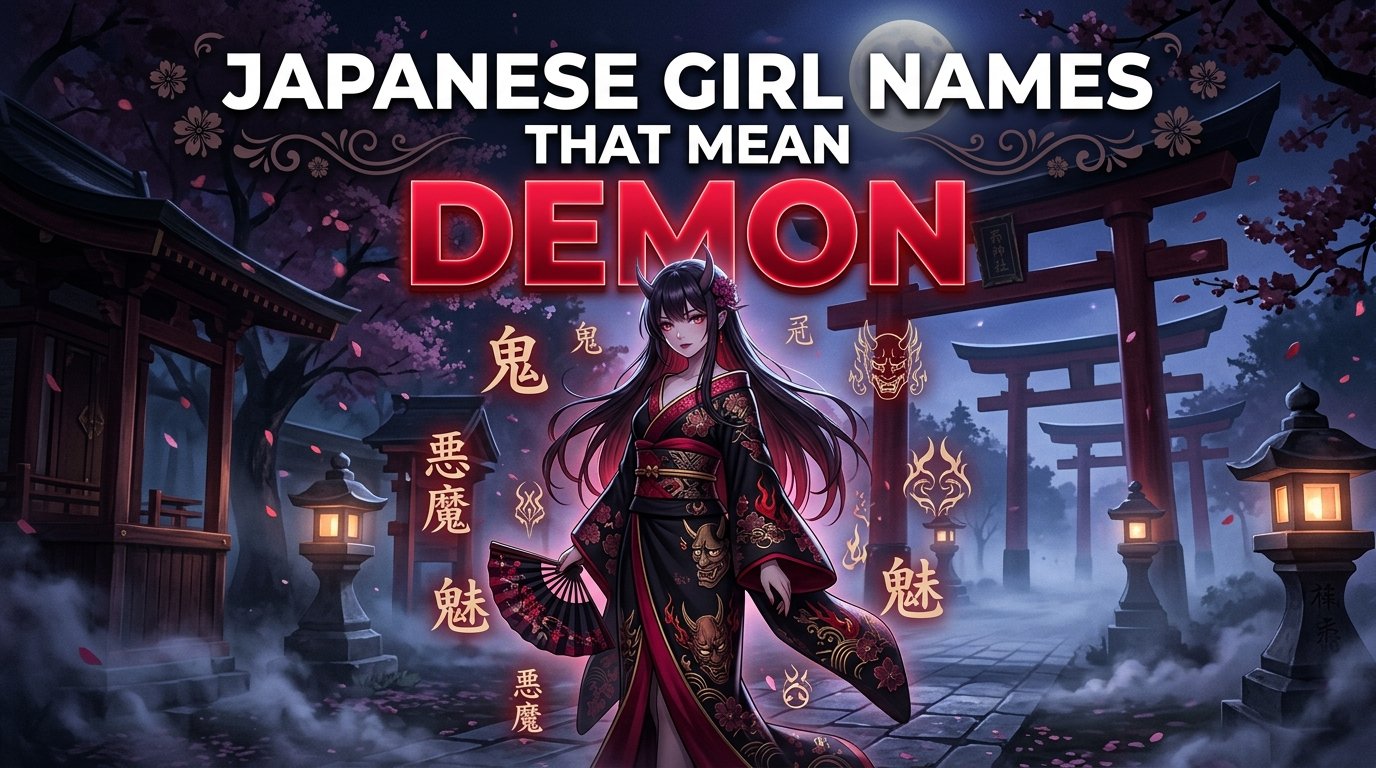
Looking for a name with a little edge? You’re in the right place.
Maybe you’ve fallen in love with Japanese girl names that mean demon, and honestly, we get it. There’s something magnetic about a name that sounds soft but carries a fierce meaning underneath. These names blend old folklore with real beauty, and they’re way more wearable than you’d think.
But this isn’t just about girls. If you’re hunting for demon female names, we’ve got you. And if you’re leaning toward something bolder, we’ve rounded up demon names male parents actually love, plus a solid list of demon boy names too.
Whether you want male demon names with real punch or something quieter and mysterious, stick around. You’ll find a name that fits your vibe perfectly.
There’s a whole world of demon names for girls that sound elegant on the surface but carry something darker underneath. Take Lilith, for example. In Jewish folklore, she’s Adam’s first wife, cast out for refusing to submit. That backstory alone makes her one of the most talked-about names in this category, and she’s climbing the popularity charts fast.
Other picks lean quieter but still pack a punch. Names like Hecate, Circe, and Persephone come straight from Greek mythology, tied to witchcraft, transformation, and the underworld. You don’t need to explain the lore at every playdate, either. A lot of these names just sound pretty on their own.
If you want something nobody else in the daycare will have, dig a little deeper into regional folklore. Names like Abyzou (Near Eastern mythology), Ereshkigal (Sumerian underworld queen), and Rusalka (Slavic water spirit) rarely show up on baby name lists. That’s kind of the point.
These names take more explaining, sure. But for parents who want something genuinely one-of-a-kind, that’s part of the appeal.
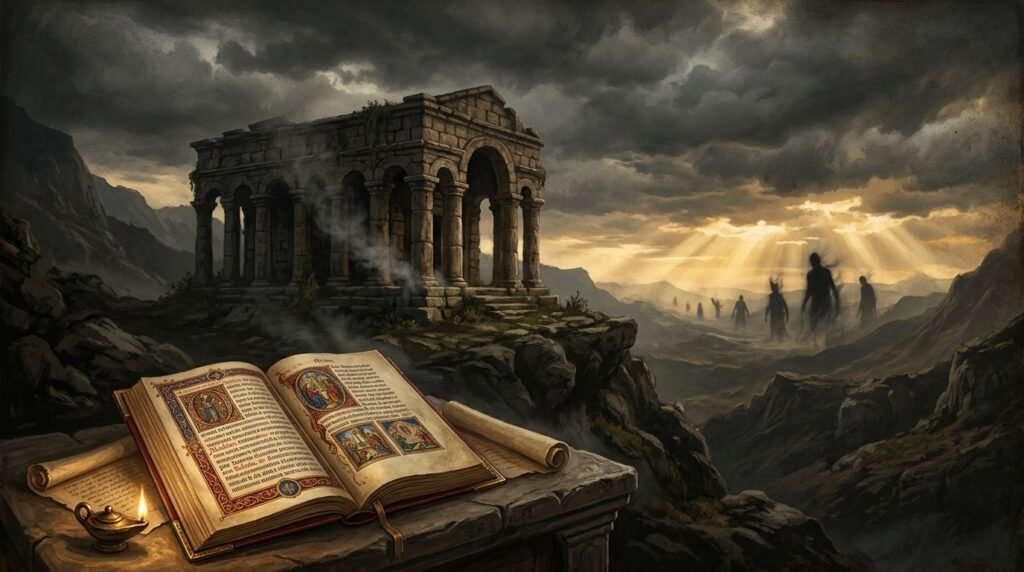
Boy names in this space tend to lean heavier — think titles like “Duke of Hell” or “Marquis” attached to the name’s backstory. Bael, Astaroth, and Andras all come from the Ars Goetia, a centuries-old grimoire listing demons and their supposed powers. However, not every name here needs a dark explanation to work. Andras, for instance, actually comes from an old Welsh word meaning “man.”
Some names double as normal, everyday options too. Leonard, believe it or not, has ties to demonic folklore as the supposed master of black magic sabbaths. Nobody’s going to raise an eyebrow at a kid named Leonard.
For parents who want a name that feels commanding, look at ones tied to war, chaos, or storms. Apophis, the Egyptian serpent of chaos, has a sharp, almost architectural sound. Fenrir, the monstrous wolf from Norse mythology, works well for families drawn to Viking-era names. These aren’t soft picks. They’re built to make an impression.
Not every name needs to sit firmly on one side of the fence, and demon names are no exception. Cambion, meaning a half-demon child in medieval folklore, works for any baby. Same goes for Ifrit, a fire spirit from Islamic mythology, and Grigori, referring to fallen angel Watchers in Jewish texts.
For example, Asura — a class of powerful, war-like beings in Hindu and Buddhist tradition — sits comfortably as a first name regardless of gender. It’s short, easy to say, and doesn’t lock your kid into anything.
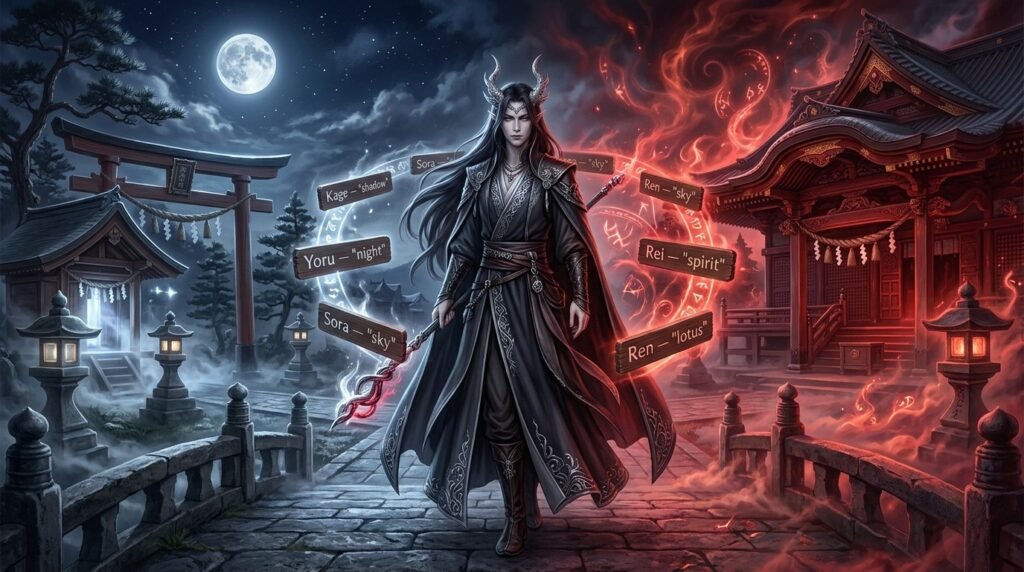
If you want something that flows well as a first name without much lore attached, try Gaki (a Japanese hungry ghost) or Archon (a Gnostic term for demonic rulers). Both sound modern enough to pass as regular names while still carrying that hidden edge underneath.
Scripture is packed with demonic references, and a lot of these names have quietly become mainstream. Take Cain — the biblical figure who committed the first murder. Most people don’t even connect the name to its dark backstory anymore.
Others carry more obvious weight. Lucifer means “light-bearer” in Latin, and Leviathan refers to the ancient sea serpent of chaos mentioned in Job and Isaiah. If the full name feels like too much, Levi works as a softer, wearable alternative.
Japanese mythology has some of the richest demon lore anywhere, and it translates beautifully into baby names. Oni, the club-wielding demon of Japanese folklore, is probably the most recognizable. Shinigami — the Japanese god of death — has gained popularity through anime, while Hannya refers to a jealous female spirit portrayed in traditional Noh theater masks.
If you’re specifically after Japanese girl names that mean demon, a few stand out for sounding genuinely wearable. Hannya carries strong folklore roots but softens nicely as a first name. Izanami, the goddess who became ruler of the underworld after dying in childbirth, brings both mythological depth and a musical sound. These aren’t just Japanese names with dark meanings — they’re names with real cultural weight behind them.
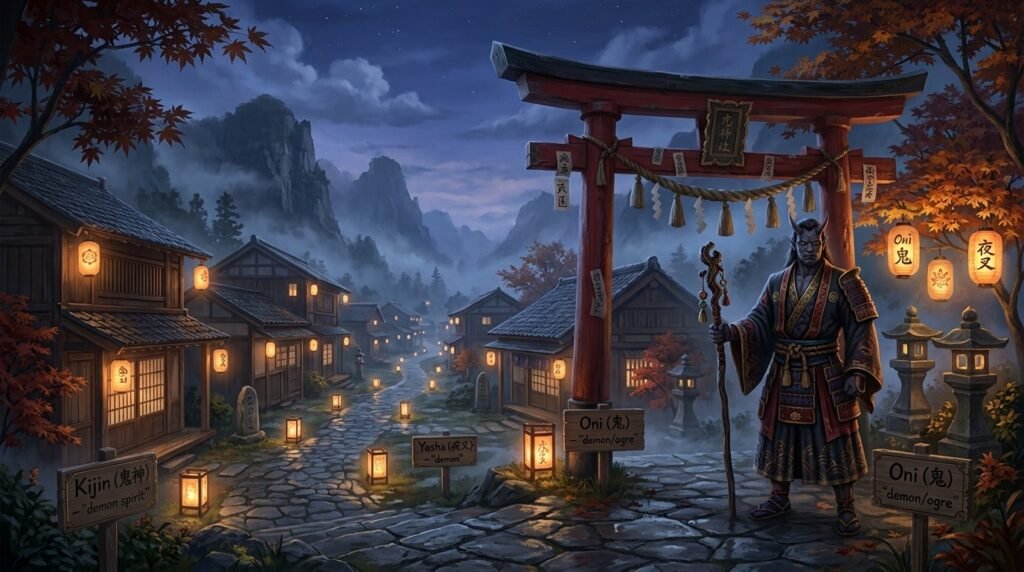
Yokai are the supernatural creatures of Japanese folklore, and they offer some genuinely unique naming options. Kappa, a water demon said to pull children into rivers, sounds playful despite the dark backstory. Jorōgumo, a shape-shifting spider demon, has a striking, almost musical quality. For parents drawn to oni-inspired baby names for girls or unusual Japanese mythology names, yokai folklore is worth exploring further.
Sometimes you don’t want the actual demon’s name — you just want a name that means “demon” in another language. This approach gives you something meaningful without the heavy backstory attached.
Akuma deserves special mention here. As one of the more direct Japanese names meaning demon, it’s gained real traction in Western gaming and pop culture circles, which makes it feel familiar even to people who’ve never studied Japanese mythology.
Some demon names have become so mainstream through movies, games, and TV that they barely register as “dark” anymore. Annabelle, from The Conjuring franchise, is still sitting comfortably in the US Top 100. Damien, the antichrist from The Omen, is now a completely normal baby name.
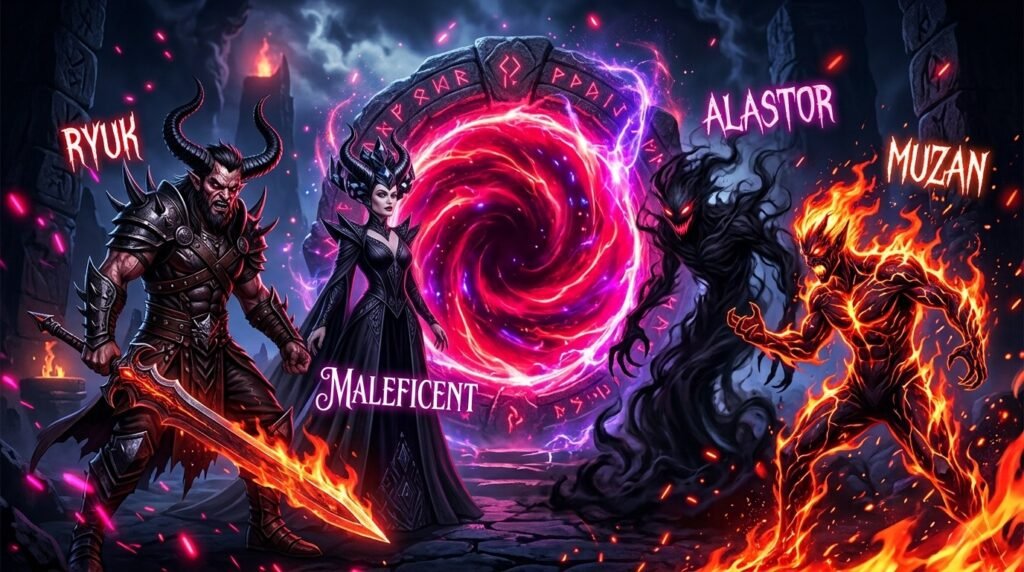
Anime and gaming have added a whole new wave of options too. Makima from Chainsaw Man, Homura from Puella Magi Madoka Magica, and Daki from Demon Slayer have all introduced fresh, striking names to parents who love Japanese pop culture demons. Even Helluva Boss and Hazbin Hotel have contributed names like Loona, Octavia, and Vox that feel surprisingly usable outside their shows.
Not every demon name has to sound intense. Some are just downright charming once you strip away the mythology. Coco, for instance, comes from El Coco — the Iberian version of the Boogeyman — but nobody’s thinking about that when they hear it. It just sounds cute.
Lila works the same way. It’s a softer variant of Lilith that keeps the roots without the heaviness. Puck, the mischievous fairy-demon from Shakespeare, has also been climbing in popularity as parents look for names that feel whimsical rather than dark.
Picking a demon name isn’t just about liking the sound. A few things are worth thinking through first.
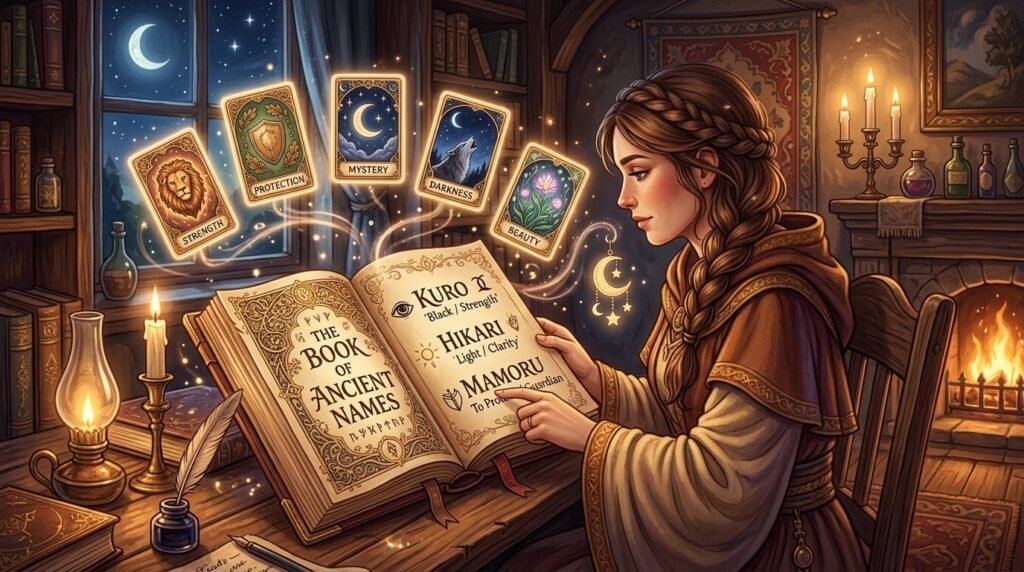
Demon lore isn’t limited to one culture, and honestly, that’s what makes this category so rich. Almost every mythology has its own version of chaos, death, or temptation personified — and each one brings something different to the table.
For example, Kali represents both destruction and liberation in Hindu tradition, which gives the name a surprisingly hopeful undertone despite its fierce reputation.
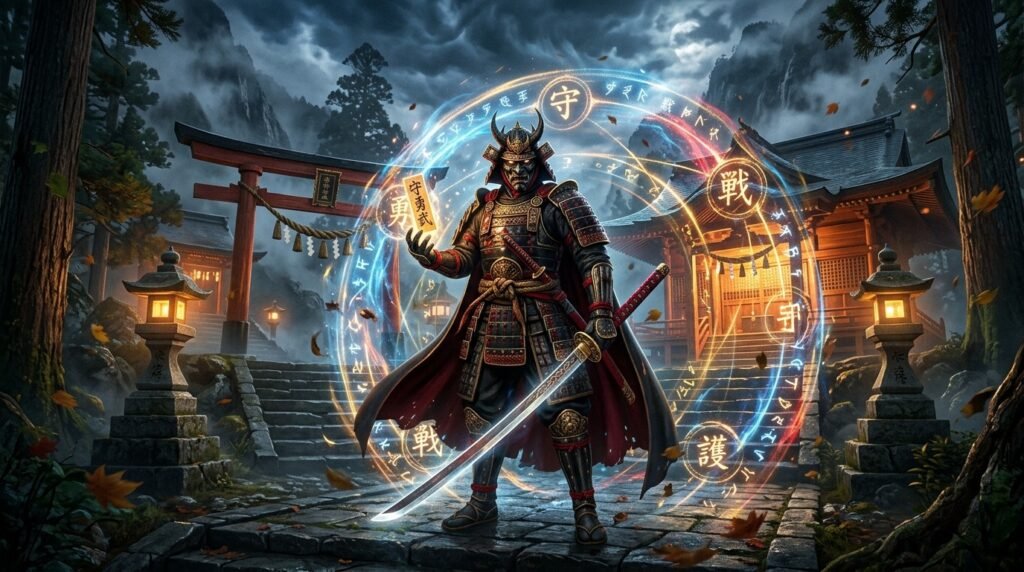
Not all demon names are about darkness for darkness’s sake. Plenty carry meanings tied to strength, protection, or transformation. Nemesis, for instance, represents balance and consequence in Greek mythology — not just revenge. Hariti, a Buddhist demon who devoured children before being converted, later became a protector of mothers and kids.
These names offer a nice middle ground: the mystique of demon lore, paired with a meaning you can actually feel good about explaining.
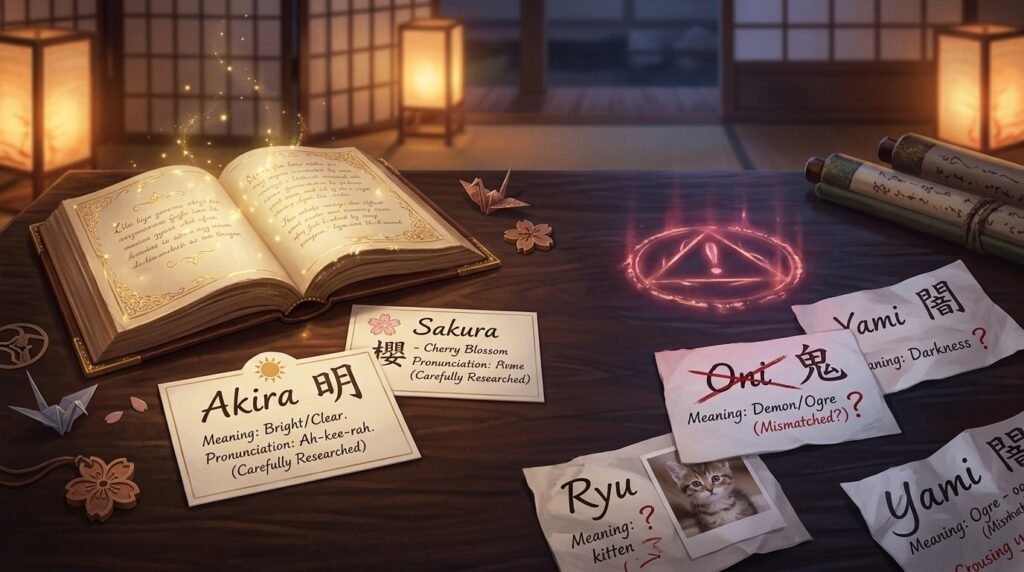
It’s easy to get swept up in the aesthetic and skip a few important checks. Here’s what to watch for:
Norse and Celtic mythology have been having a moment lately, and demon-adjacent names are riding that wave. Hel, Morrigan, and Fenrir all bring that rugged, atmospheric quality parents seem drawn to right now — strong, a little mysterious, and easy enough to say.
Some names on this list barely register as “demon names” anymore. Damon, Cora, Nyx, and Blake all sound completely normal in everyday conversation, even though each one carries dark mythological roots underneath. That’s honestly the sweet spot for a lot of parents — hidden meaning, zero explaining required.
If the first name feels heavy, balance it out with something softer in the middle. Persephone Grace. Damien Michael. Lilith Rose. Pairing a bold first name with a gentle, familiar middle name keeps things from feeling overwhelming, and it gives your child options down the road too.
Hannya, Izanami, and Akuma all connect to Japanese demon and mythology traditions. Akuma directly translates to “demon,” while Hannya refers to a Noh theater spirit.
Oni is the most iconic demon in Japanese folklore — a powerful, club-wielding figure often depicted with horns and fierce features.
Many demon names, like Lilith or Damon, sound elegant and wearable once separated from their folklore roots. Context matters more than the label.
Yokai is a broad term for supernatural beings, while oni refers specifically to demon-like figures. Both offer rich naming inspiration.
Cambion, Asura, and Ifrit all function as gender-neutral options, drawing from Buddhist, Hindu, and Islamic mythology respectively.
Yes. Names like Nemesis (balance) and Hariti (protector of children) carry meanings beyond destruction, despite their demonic origins.
Pick names with soft sounds and flexible nicknames, like Lilith or Mara. Avoid overly literal titles tied to specific hell hierarchies.
Whether you fell in love with Japanese girl names that mean demon or you’re leaning toward something bolder, there’s real depth here. From striking demon female names to powerful demon boy names, every option carries its own story. That’s what makes this style of naming so special. You’re not just picking sounds you like. You’re giving your child a name with actual history behind it.
If male demon names feel more your speed, don’t rush the decision. Say a few options out loud. See how they sit with your last name. And if you’re still torn between demon names male and something softer, trust your gut. The right name usually just feels right.